
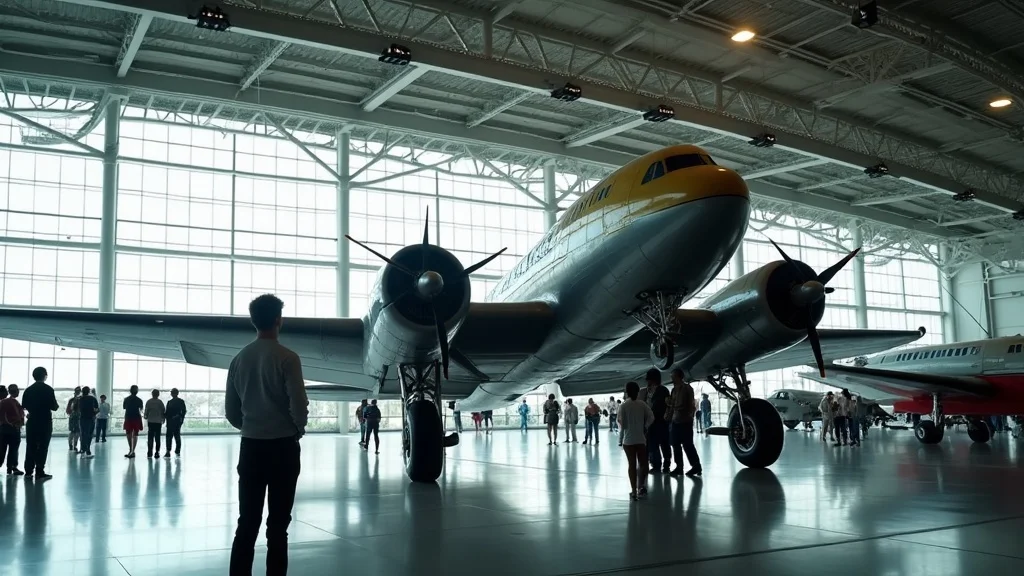
Imagine standing in the hushed expanse of a heritage hangar, dwarfed by the colossal wings of a World War II bomber, sunlight filtering through glass walls and glinting off polished metal. Museum aircraft, resting in these sacred spaces, are far more than static displays—they’re time machines, whispering stories of invention, bravery, and sacrifice. Today, we’re diving beneath their wings to uncover the hidden stories behind museum aircraft and show you how these flying legends are preserved, experienced, and celebrated across the United States.
Preserving America’s Aviation Legacy
Behind every beautifully restored museum aircraft is a team dedicated to preserving history for future generations. At Military Aircraft Painting, we specialize in the restoration, preservation, and professional painting of historic military aircraft, helping museums, foundations, municipalities, and private collectors protect these priceless pieces of aviation heritage. Our work ensures that each aircraft continues to educate, inspire, and honor the men and women who served.
If your organization is responsible for preserving a historic military aircraft—or if you’d simply like to learn more about the restoration process—visitMilitaryAircraftPainting.comto explore our projects, restoration services, and commitment to preserving America’s aviation legacy.
Unlocking the Secrets: Museum Aircraft as Timeless Treasures
The allure of museum aircraft draws thousands of visitors annually, with each aircraft holding a silent legacy that stretches from the thunder of World War II to the innovations of the jet age. These aircraft serve as timeless treasures, not simply because of their imposing size or engineering brilliance, but because each one represents a living link to history—stories of pilots who soared into the unknown, ground crews who kept them aloft, and communities that rallied behind our nation’s defense.
For enthusiasts and casual observers alike, the journey of a museum aircraft does not end with its last flight. Instead, it continues through meticulous care and thoughtful storytelling by curators and volunteers. When you enter a hangar or stroll through an outdoor exhibit, you aren’t just seeing a machine—you’re connecting with the people, places, and defining moments etched into its fuselage. As we explore how museum aircraft are curated, maintained, and shared with the public, you’ll discover opportunities to immerse yourself in aviation’s living history, from in-depth tours to exclusive private events.
For those interested in the finer details of aircraft preservation and display, exploring additional resources can provide valuable context on the techniques and standards involved. You might find further insights by reviewing related discussions on military aircraft painting and restoration practices, which often play a crucial role in maintaining historical accuracy for museum exhibits.
Opening Observations: Imagine Standing Beneath a Historic Museum Aircraft
Picture this: you’re beneath the gleaming nose of a classic military jet in the heritage hangar, the polished floors reflecting your awe. Around you, visitors stand transfixed, some recognizing echoes of past eras, others encountering history’s marvels for the first time. Children point skyward, imagining heroics while docents recount stories of daring missions, experimental upgrades, and the quiet heroism of maintainers.
This experience is more than visual; it’s immersive. Each aircraft’s splayed landing gear and proudly displayed insignia serve as tactile reminders of America’s technological prowess and dedication to freedom. For many, the journey begins with curiosity but ends with a profound appreciation for the aviation milestones—and the ordinary people—who changed the world. Whether you dream of piloting a WWII aircraft or seek to host a private event that dazzles, the museum aircraft experience offers a sense of wonder rarely found elsewhere.
What You’ll Learn About Museum Aircraft
The unique relationship between the National Museum of the United States Air Force and museum aircraft holders
The intricate custodial and display agreements governing museum aircraft
The essential responsibilities of institutions caring for museum aircraft
The different categories of museum aircraft loan and display programs
Opportunities for visitors—from tours to private event bookings
How museum aircraft preserve America’s aviation heritage
The Custodianship of Museum Aircraft: Ownership and Oversight
Who Owns Museum Aircraft?
One of the most common misconceptions about museum aircraft is ownership. Even when displayed at a local museum, school, or public park, most historic military aircraft remain the property of the United States Air Force or another federal authority. The Air Force museum system, particularly the National Museum of the United States Air Force, maintains legal ownership and ultimate oversight. Instead of outright transferring these aircraft, the Air Force works closely with heritage hangar custodians—be they museums, veterans’ groups, or municipalities—who assume responsibility for caretaking, public display, and educational initiatives. This custodianship ensures that the historical integrity of these warbirds is preserved while making them accessible beyond Air Force bases.
The day-to-day work of displaying these aircraft involves more than setting them on a plinth and opening the doors. Custodians must meet routine maintenance obligations, carry insurance, and maintain security protocols, sometimes year-round and often during normal business hours or museum hours. Their ability to meet these requirements directly affects whether objects such as WWII aircraft remain available to the public. As a result, every institution hosting a museum aircraft is carefully vetted before becoming a display holder, ensuring a lasting partnership in safeguarding aviation heritage.
Air Force Heritage and the Loan Agreement System
Most museum aircraft on public display are not simply donated but are part of structured loan or display agreements established by the U. S. Air Force or its museum network. These agreements formalize the relationship between the federal owner and the local custodian. Under the Air Force Heritage Program, eligible museums, bases, or civic organizations may apply for a heritage loan—a long-term arrangement that allows for public display, often spanning years or even decades. Applicants are subject to rigorous standards, including facility security, ongoing preservation, and the ability to maintain historically accurate markings and logistics.
The Air Force museum system exercises continual oversight, sometimes conducting periodic checks and requiring detailed logs of routine maintenance or special inspections, especially for WWII aircraft and jet-age icons. While individual museums or communities benefit from hosting these historical artifacts, the Air Force’s custody ensures collective stewardship, preventing these national treasures from being fragmented, neglected, or lost. This system preserves the aircraft’s operational record and story—vital components for educational programs and public exhibits—and helps maintain high-quality standards across the country’s entire aviation heritage network.
Categories of Museum Aircraft Arrangements
Formal Heritage Program Loans
The principal category for most high-profile museum aircraft is the Formal Heritage Program Loan. These are long-term agreements in which the Air Force retains ownership, oversight, and the ability to recall the aircraft if conditions warrant. Heritage loans often span years or decades, providing hosts with ample time to build programming, community engagement, and educational resources around their featured aircraft. The careful vetting and consistent check-ins required for this category ensure that each aircraft’s historical accuracy is maintained, whether it’s a rare WWII bomber or a cutting-edge Cold War fighter displayed in a primary or secondary hangar.
Institutions benefiting from these arrangements must often meet stringent facilities requirements and demonstrate sustainable plans for ongoing care. Granting these loans is a significant responsibility, but also a tremendous honor—it connects towns and cities nationwide with artifacts of American military, technological, and social history, inspiring visitors of all ages.
Temporary Exhibit Loans and Rotations
Beyond long-term displays, many museum aircraft find new audiences through temporary exhibit loans and rotations. These short-term programs allow custodians to host special aircraft for a fixed period—say, as part of a summer pass ticketed event, celebrating Labor Day, or for temporary showcases in conjunction with anniversaries, flight demonstrations, or local heritage festivals. This dynamic approach ensures that exhibits will remain open and engaging, with new stories to tell and new audiences to reach.
Temporary loans are tightly coordinated, with the Air Force or its museum partners overseeing installation, event schedules, and safe return. While temporary, these programs often leave a lasting impact on local communities—new educational initiatives may launch, students and families benefit from close encounters with aviation legends, and museums often see increased attendance and interest. These rotations allow even small towns to connect with a national story and keep the museum aircraft experience fresh and engaging.
Long-Term Static Displays in Local Communities
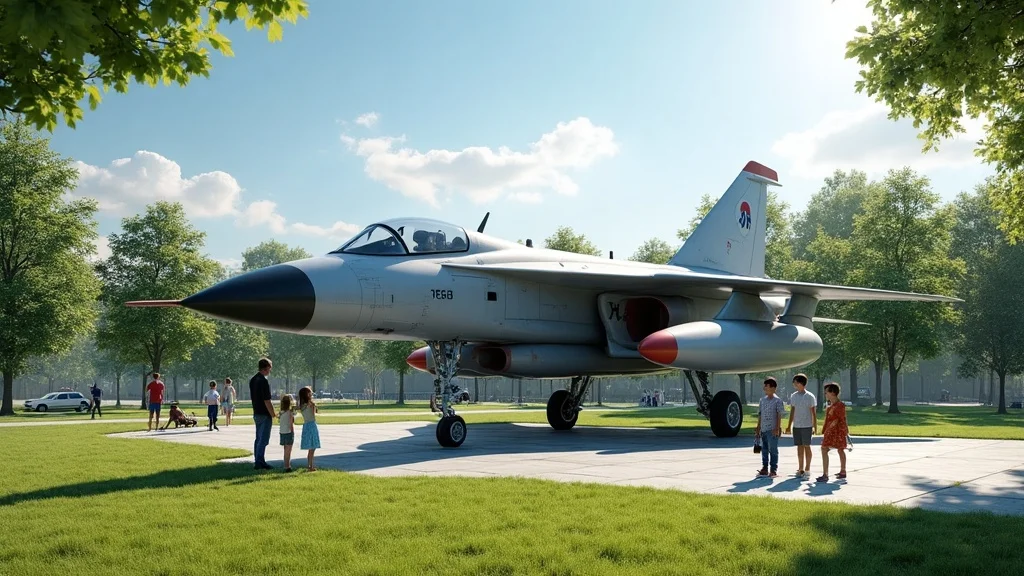
Some museum aircraft become iconic icons in their communities, occupying long-term static outdoor display positions in landscaped parks, near schools, or at civic centers. Collaborations between the Air Force, municipalities, and veterans’ groups ensure these displays are safe, respectful, and meaningful for generations. These aircraft typically remain outdoors year-round, serving as the focus of special-event ceremonies and community gatherings, as well as school visits and city tours.
Outdoor displays come with unique challenges—exposure to the elements demands extra vigilance for preservation and safety, especially during off-seasons or when the museum will be closed due to weather or maintenance. Local oversight—often by municipal workers, museum staff, or volunteers—cooperates closely with the Air Force to address security, routine touch-ups, and any required emergency response. For many families and history buffs, these aircraft become revered landmarks: they invite curiosity, spark community pride, and serve as powerful visual reminders of American resilience and ingenuity.
Transfers and Qualified Recipients
In some cases, the Air Force transfers surplus or decommissioned aircraft to other federal agencies, qualified non-profits, or accredited museums as part of public heritage preservation efforts. These transfers involve a rigorous application and vetting process, ensuring that each recipient organization can commit to all responsibilities—from maintenance to exhibit curation. Only those with a proven track record and sustainable preservation plans may become permanent caretakers of these national artifacts.
Though less common than loans or static displays, transfers can diversify the Museum Aircraft experience by placing rare types in new regions and exposing different audiences to unique slices of aviation history. Many such recipients build strong education programs, host upcoming events, and provide vital community outreach that reinforces the aircraft’s historical and cultural significance—inspiring generations while honoring the stories and sacrifices etched into every wing and rivet.
Caring for History: Responsibilities of Museum Aircraft Custodians
Routine Maintenance and Preservation
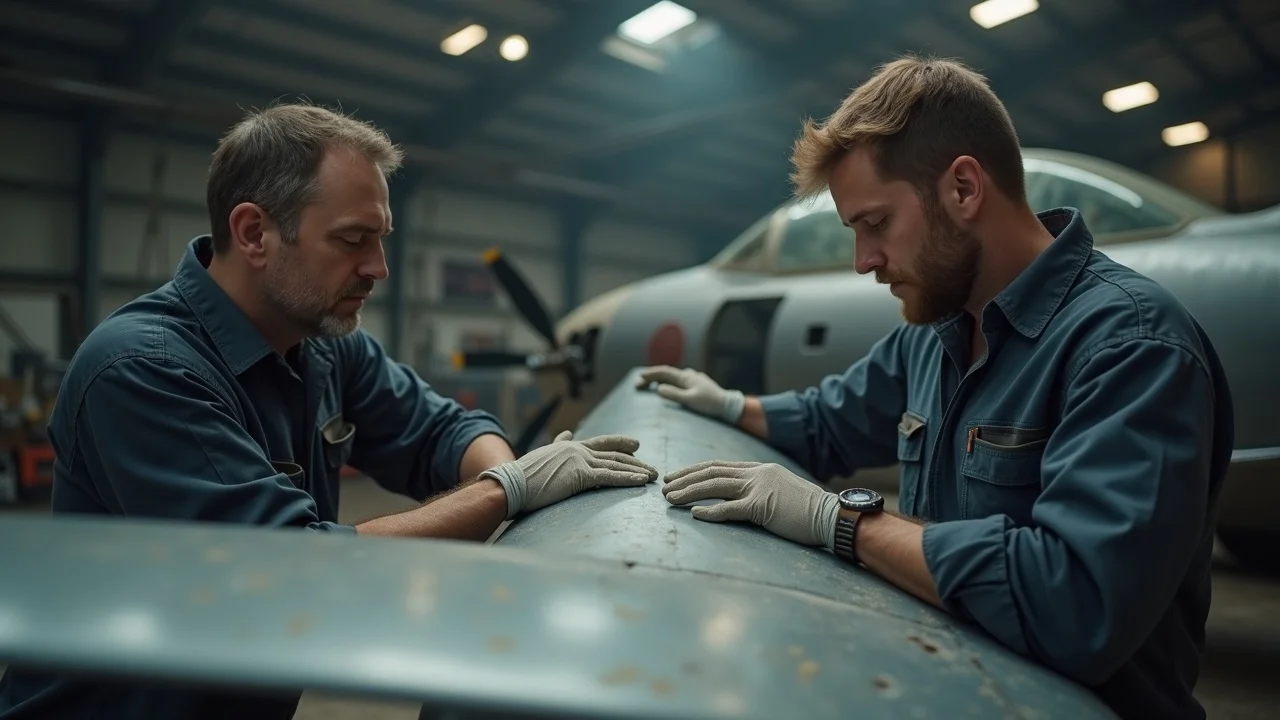
The daily care of museum aircraft is both technical and deeply respectful. Institutions are responsible for performing routine maintenance, often with teams of skilled professionals and passionate volunteers. This work can include cleaning, painting, lubricating moving parts, and checking for signs of wear from exposure or environmental factors. Museums regularly schedule inspections to ensure each aircraft’s structure, finishes, and markings remain true to historical accuracy, regardless of whether it’s stationed indoors at the primary heritage hangar or outdoors in a park.
Preventive preservation extends the lifespan of rare aircraft, while thoughtful restoration enables curators to share each artifact’s authentic look and feel with future generations. Collaborative efforts sometimes draw on resources for special restoration projects or on consultations with retired aviators and mechanics with relevant expertise. For many, the meticulous work of maintaining and restoring museum aircraft fosters a direct connection to aviation’s living history, making each visit memorable and each flight demonstration safe and educational.
Ensuring Security and Public Safety
Security and public safety are essential priorities for custodians of museum aircraft. Protective measures—ranging from surveillance and fencing to staff oversight—guard against vandalism, theft, or unauthorized access. Indoor hangars and outdoor parks alike require vigilant protocols, especially during after-hours or when the museum will be closed to the public for holidays, severe weather, or planned maintenance.
Community trust depends on ensuring that all visitors, including school groups and families, can safely enjoy exhibits. Institutions must coordinate closely with local emergency responders and maintain updated protocols for evacuations, incident reporting, and visitor flow. This attention to detail allows museums to resume normal business hours after special-event closures, reassuring the public and providing reliable access to these extraordinary artifacts.
Maintaining Historical Accuracy
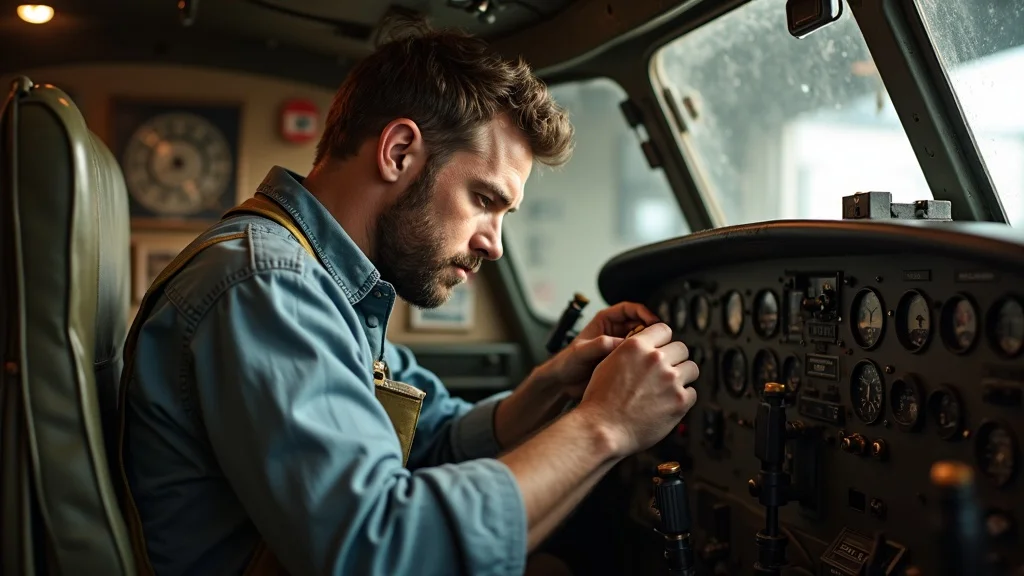
Maintaining historical accuracy isn’t just about paint color or emblem authenticity—though these matter deeply. Curators and volunteers spend countless hours cross-referencing photographs, manuals, and historical accounts to ensure each aircraft reflects its era and purpose. Every stenciled warning, unit insignia, and modification tells a story. Museums proudly incorporate authentic artifacts—such as cockpit instruments or era-correct markings—making each exhibit a true reflection of aviation history.
This accuracy supports broader educational programs and experiences for visitors and students, building respect for the men and women who served, innovated, and sacrificed. For museums, getting history right is both a tribute and a promise: a way to honor past generations while inspiring new ones to learn, ask questions, and dream boldly.
Interactive Experiences: Visiting and Booking Museum Aircraft Spaces
Touring a Living Piece of Aviation History
Visiting a museum aircraft is an unforgettable journey into living history. Guided tours are often available during museum hours and normal business hours, offering insider perspectives into the aircraft’s role in world events—including detailed stories from World War II, the Cold War, and cutting-edge aviation milestones. Many institutions feature education programs for students and families, bringing stories to life through hands-on exhibits, simulator rides, and interactive displays.
Museums frequently host flight demonstrations and special-event weekends, where visitors can hear engines roar to life or meet aviators who flew these machines into history. By planning your visit to coincide with these unique offerings, you’re sure to receive the full spectrum of educational and emotional impact that only museum aircraft can deliver. Remember to check for upcoming events and possible closures, as museum hours may occasionally change due to holidays or private functions.
Hosting a Private Event with Museum Aircraft
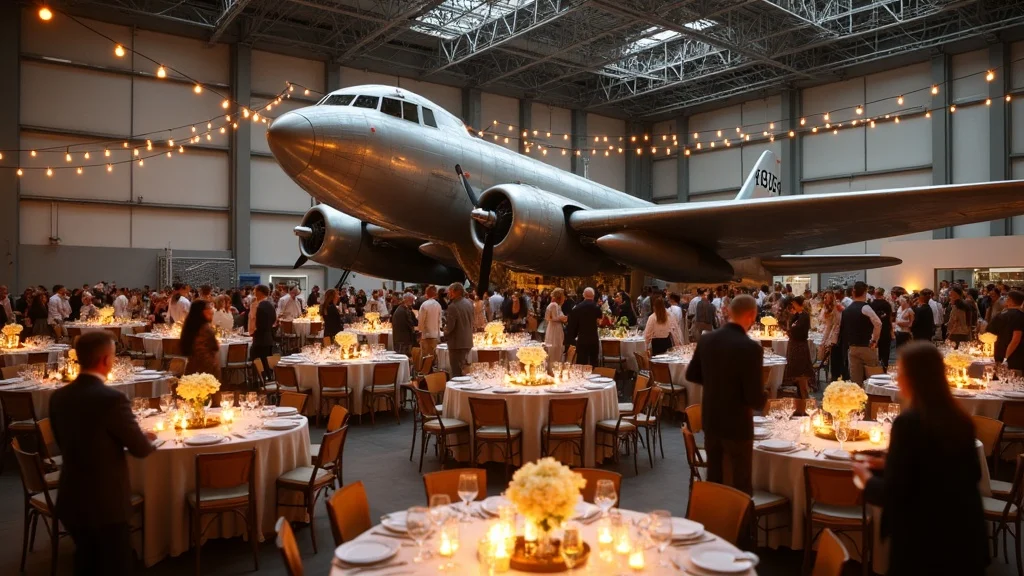
Imagine hosting a private event—a banquet, corporate retreat, or celebration—surrounded by legendary bombers and fighter planes. Many museums offer exclusive rental opportunities outside of general admission and normal business hours, transforming primary and secondary hangar spaces into one-of-a-kind venues with striking aviation backdrops. These special event offerings set the scene for unforgettable experiences, whether you’re planning a milestone birthday, an educational symposium, or a veterans’ commemoration.
With dedicated event planners, comprehensive amenities, and a staff eager to share the aircraft’s historical significance, you’ll ensure every guest leaves with cherished memories and a renewed appreciation for America’s aviation heritage. For those interested, our team can guide you through available dates, spaces, and thematic options—allowing you to tailor your private event to perfectly match your vision.
Planning Your Private Event
Securing a private event with a museum aircraft as your backdrop is easier than ever. Begin by checking available dates, considering the seasonal operating schedule and any planned upcoming events or closures—certain exhibits will remain accessible even if the main heritage hangar is reaching capacity or the museum resumes normal hours after a special event. Contact our events staff at 610 965 2262 for a personalized consultation or to receive alerts about upcoming openings, featured aircraft, and unique thematic packages. With staff on hand to manage logistics, decor, and audiovisual needs, every detail is taken care of so you can focus on creating unforgettable moments in a legendary location.
Unforgettable Souvenirs: The Museum Aircraft Gift Shop
Unique Memorabilia and Educational Materials
No museum visit is complete without a stop at the museum aircraft gift shop. Here, visitors find a curated selection of unique memorabilia: detailed model kits, limited-edition prints of iconic WWII aircraft, aviation-themed apparel, and exclusive items celebrating the stories behind every fuselage. For history buffs and casual shoppers alike, the gift shop offers everything from challenge coins to commemorative plaques—perfect for sparking curiosity or deepening your connection to aviation heritage.
Many shops double as learning resources, offering educational materials like aviation books, interactive kits for younger visitors, and documentary DVDs. Doubling as a hub of activity during upcoming events or flight demonstrations, the shop’s vibrant displays become both a destination in themselves and an extension of the museum’s mission: making history accessible, engaging, and fun for all ages. Don’t forget to ask about seasonal specials, local artisan items, or rare finds only available in select heritage hangar locations!
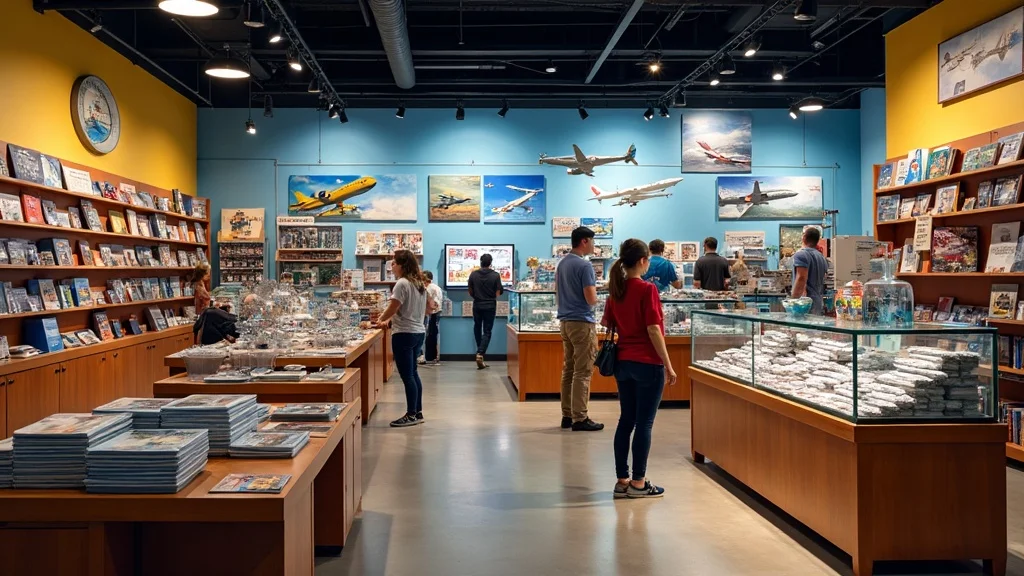
Table: Types of Museum Aircraft Display Agreements
Type | Description | Typical Duration | Oversight |
|---|---|---|---|
Heritage Loan | Formal Air Force-controlled long-term loan | Years to decades | Air Force Museum System |
Temporary Exhibit | Short-term display by custodians | Months to years | Coordinated by Air Force museum |
Static Display | Outdoor display may involve local organizations | Typically long-term | Local oversight with Air Force support |
Expert Voices: Why Museum Aircraft Matter
“Preserving these aircraft is about more than machinery—it’s about safeguarding the stories and sacrifices behind every fuselage.” – Museum Curator
People Also Ask: Insights on Museum Aircraft
How are museum aircraft maintained?
Museum aircraft are maintained through a rigorous regimen of cleaning, periodic inspections, and preservation techniques. Skilled teams and dedicated volunteers handle everything from corrosion prevention and weatherproofing to restoring cockpit controls and exteriors. This proactive care not only preserves the physical condition of warbirds and jet-age marvels but also ensures visitor safety, allowing the exhibits to remain open and engaging year after year.
Who decides where museum aircraft are displayed?
The display of museum aircraft is typically decided through a collaborative process between the Air Force, its museum system, and qualified recipient institutions. The Air Force retains ultimate authority, while museums and communities submit proposals and demonstrate their capacity for caretaking and public engagement. This ensures that aircraft go to locations best equipped to preserve them and share their stories with diverse audiences.
Can museum aircraft be leased for events?
Museum aircraft themselves are not traditionally “leased” in a commercial sense, but many facilities offer spaces adjacent to these aircraft for private events. Heritage hangars and exhibit halls can be reserved for special occasions, with the aircraft providing dramatic backdrops for gatherings, ceremonies, and celebrations. If you’re considering a private event, contact museum staff at 610 965 2262 for availability and planning guidance.
List: Tips for Maximizing Your Museum Aircraft Experience
Ask about the history and provenance of each aircraft on display.
Participate in guided tours for expert insights.
Check for special exhibition rotations during your visit.
Visit the gift shop for rare finds.
Inquire about private event opportunities around featured aircraft.
Cinematic walkthrough: Explore the heritage hangar and discover iconic museum aircraft with families and enthusiasts.
Key Takeaways for Museum Aircraft Enthusiasts
Museum aircraft remain United States Air Force property, even at distant locations.
Custodians carry vital maintenance and preservation obligations.
The Air Force museum system plays a continual oversight role.
Engagement with museum aircraft bridges history and public interest.
Frequently Asked Questions About Museum Aircraft
What makes a museum aircraft unique compared to other aviation displays?
Unlike many aviation displays, museum aircraft are typically curated with a commitment to historical accuracy, rigorous documentation, and ongoing oversight by the Air Force museum system. Each aircraft’s story—its missions, markings, and modifications—is preserved and interpreted to educate and inspire. This makes every museum aircraft a living artifact, connecting the public not just with machines but with the real people and events they represent.
Are there educational programs about museum aircraft ownership?
Yes, many museums offer educational programs that detail the history, technology, and stewardship responsibilities associated with museum aircraft ownership. These programs are especially popular among schools, military families, and aviation enthusiasts, offering workshops, lectures, and interactive experiences that deepen appreciation of aviation heritage.
How can I get involved in preserving museum aircraft?
Most aviation museums welcome volunteers and supporters to help with the care and interpretation of museum aircraft. Opportunities include joining restoration teams, supporting public events, assisting with guided tours, or participating in youth outreach and educational initiatives. If you’re passionate about history and flight, consider reaching out to your local museum or calling 610 965 2262 to learn more about upcoming volunteer openings.
Connect with the Museum Aircraft Experience
Ready to stand beneath history, host an unforgettable event, or join those who keep aviation’s spirit soaring? Call Us at 610 965 2262 to plan your visit, book a private event, enroll in educational programs, or simply to receive alerts about upcoming events and featured aircraft. Start your journey into the extraordinary world of museum aircraft today!
Takeaway: Every museum aircraft is a gateway to adventure and understanding—don’t miss your chance to be part of these living stories. Call today to connect, discover, and experience.
As you continue your exploration of aviation heritage, consider broadening your perspective by delving into the wider world of military aircraft restoration and display. The journey doesn’t end with a single visit—there’s always more to learn about the artistry, engineering, and dedication that keep these icons aloft in our collective memory. For a deeper dive into the foundational principles and evolving trends in the field, take a look at the latest insights on military aircraft preservation and presentation. Let your curiosity soar and discover how every detail, from paintwork to public engagement, shapes the legacy of these remarkable machines.