
Did you know? Research shows that outdoor static aircraft can develop visible signs of corrosion in less than a year without proper intervention—risking irreversible damage to irreplaceable aviation history. Corrosion is an ever-present danger for static display aircraft. While these iconic machines may never fly again, their preservation is crucial—not only for aesthetics but also for maintaining their structural integrity and safeguarding their story for generations to come. This guide reveals proven corrosion control strategies for aircraft preservation, providing expert insights every museum, restorer, or aircraft owner needs to know to fight corrosion risks head-on and extend the legacy of aviation’s finest artifacts.
What You’ll Learn in This Guide to Corrosion Control Strategies for Aircraft Preservation
-
Understand the key corrosion risks for static and display aircraft
-
Learn expert corrosion control strategies for aircraft preservation
-
Discover best practices in surface preparation and protective coatings
-
Explore practical maintenance and inspection routines
-
Balance historical authenticity with advanced corrosion prevention
-
Access tips for environmental mitigation and maintenance scheduling
Why Corrosion Control Strategies for Aircraft Preservation Matter
“Aircraft on static display may no longer fly—but their preservation protects history for future generations. Corrosion control is more than cosmetic; it is critical for structural longevity.”
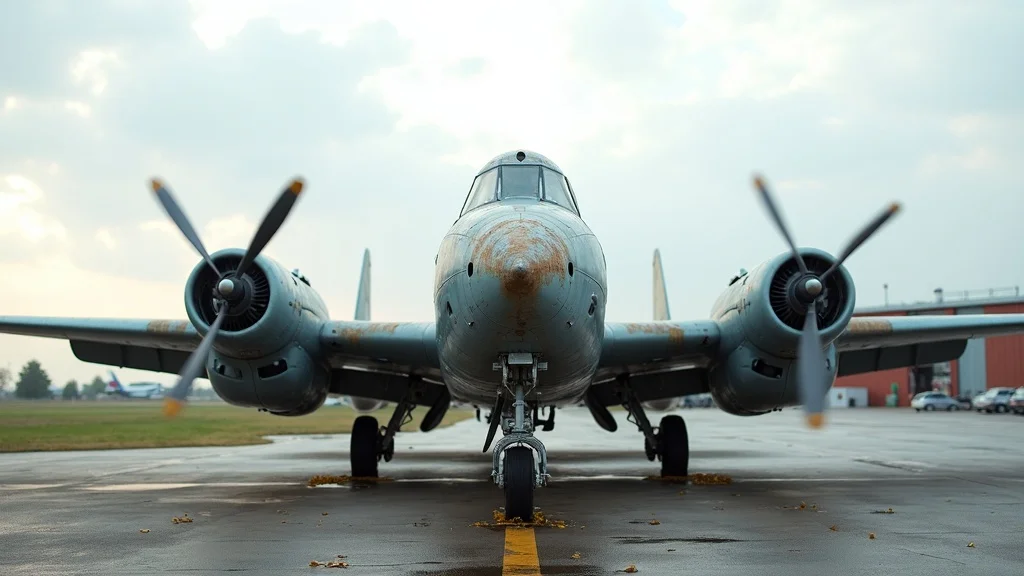
Static display aircraft are continually exposed to environmental stressors, even after retirement from active service. Unlike their operational counterparts, these aircraft no longer benefit from regular inspection cycles or active maintenance practices. This gap leads to increased maintenance requirements and accelerates corrosion risk, particularly on exposed landing gear, seams, and critical structural components. Municipalities, military organizations, and museums bear the responsibility of preserving not just the aircraft’s visual impact, but its material and historical integrity. Implementing robust corrosion prevention strategies and corrosion control methods shields these invaluable artifacts from structural decay and ensures their survival as learning tools and tributes to aviation history.
In addition to comprehensive corrosion control, addressing surface-level imperfections and minor damage is essential for maintaining both the appearance and integrity of preserved aircraft. For a closer look at specialized techniques and solutions for restoring and repairing visible wear, explore the cosmetic service repairs available for military aircraft painting, which complement broader preservation strategies.
Understanding Corrosion Risk and Aircraft Corrosion Threats
To craft effective corrosion control strategies for aircraft preservation, it is crucial to understand the processes that place aircraft at risk. Corrosion is essentially a chemical reaction between metal surfaces and external elements like moisture, contaminants, and atmospheric oxygen. For static aircraft, the consequences of corrosion can range from minor pitting and discoloration to dangerous structural weakening. Aircraft owners and curators must recognize that degradation continues—even on the ground—unless preventive maintenance and controlled environments are employed. Special attention is needed for all aircraft components, including seemingly minor details such as fasteners, flush rivets, and landing gear, which are all susceptible to various forms of corrosion due to their material mix and exposure.
Forms of Corrosion Commonly Found in Static Aircraft
-
Surface corrosion
-
Pitting corrosion
-
Galvanic corrosion
-
Filiform corrosion
Surface corrosion appears first as dullness or discoloration on the metal, but if left untreated, it can progress to more aggressive forms. Pitting corrosion is particularly insidious, creating tiny but deep cavities in the metal, often caused by chloride or other corrosive agents trapped beneath coatings or within structural recesses. Galvanic corrosion results from the contact between dissimilar metals—such as steel and aluminum—when moisture is present, accelerating metal loss in less noble components. Finally, filiform corrosion often develops under coatings, manifesting as threadlike patterns across the surface finish, and may go unnoticed until major damage has occurred. Crevice corrosion is another significant challenge where protective coatings or sealants fail in joints, seams, or recessed areas. Each of these forms of corrosion requires specific mitigation and regular inspection to ensure lasting corrosion protection and aircraft preservation.
Key Environmental and Structural Corrosion Risk Factors
-
High humidity and moisture exposure
-
UV radiation and weather extremes
-
Airborne contaminants and pollution
-
Poor drainage and water retention
-
Aging or incompatible paint systems
Location and exposure dramatically impact the corrosion risk for static aircraft. Those displayed outdoors in high humidity areas, near coastal regions, or under persistent seasonal rain, face continuous moisture infiltration. UV radiation and temperature swings degrade both paint and sealants, allowing corrosive agents to penetrate defenses. Poor drainage, often seen in improperly installed displays, encourages water pooling around landing gear, access panels, and cavities, further accelerating corrosion risk. Display aircraft featuring outdated or incompatible coating systems are especially vulnerable, as failed coatings create hidden pockets for moisture and contaminants, resulting in increased maintenance and repair needs. Effective corrosion prevention requires addressing these factors proactively as part of any preservation program.
Surface Preparation: The Foundation of Corrosion Control Strategies for Aircraft Preservation
The effectiveness of any corrosion control plan begins with surface preparation. A poorly prepared or inadequately cleaned surface can undermine even the toughest corrosion-inhibiting coatings. Before applying any new finishes, it is crucial to assess existing coatings for compatibility, remove old or failed layers, and completely eliminate visible and microscopic corrosion. Correct preparation creates the foundation for strong adhesion, corrosion resistance, and long-term surface finish stability in aircraft preservation projects.
Best Practices for Corrosion Prevention through Surface Preparation

-
Corrosion removal methods (mechanical/chemical)
-
Stripping failed or incompatible coatings
-
Thorough cleaning and degreasing
-
Applying conversion or inhibiting coatings
-
Industry standards for preparation (SSPC-SP10, etc.)
Mechanical abrasion—using sanders, wire wheels, or media blasting—effectively removes visible surface corrosion, old coatings, and embedded debris from aircraft components and panels. Chemical surface treatments penetrate less accessible areas, neutralizing invisible corrosion that mechanical methods might miss. After initial cleaning, surfaces should be degreased to eliminate residues that inhibit paint adhesion. Conversion coatings, such as chromate or phosphate systems, further protect exposed metals by inhibiting new corrosion at a microscopic level. Adhering to recognized industry standards such as SSPC-SP10 (Near-White Metal Blast Cleaning) provides a measurable benchmark for surface readiness before re-coating. Consistent, thorough preparation at this stage is the single most effective prevention of future corrosion and increased maintenance.
|
Surface Prep Technique |
Advantages |
Role in Corrosion Control Strategies for Aircraft Preservation |
|---|---|---|
|
Mechanical Abrasion |
Removes visible corrosion |
Enhances adhesion |
|
Chemical Treatment |
Targets microscopic corrosion |
Neutralizes corrosive residues |
|
Conversion Coatings |
Inhibits new corrosion |
Provides base for coatings |
Protective Coatings: The Best Defense in Corrosion Control Strategies for Aircraft Preservation
Once surfaces are properly prepared, protective coatings form the most vital defense layer between aircraft structures and corrosive environments. The system chosen must offer durability, flexibility, and chemical resistance, aligning with both historical accuracy and modern preservation science. These coatings provide more than just an attractive surface finish—they seal vulnerable areas against oxygen, water, and pollutants while resisting UV degradation and physical wear. Aircraft in controlled environments (such as display hangars) benefit, but outdoor exhibits require the most robust, multi-layer corrosion protection systems to withstand ongoing exposure.
Types of Coating Systems for Aircraft Corrosion Control
-
Epoxy or zinc-rich primers for corrosion resistance
-
Epoxy intermediate layers as moisture barriers
-
Polyurethane topcoats for UV stability and durability
High-performance, aerospace-grade primers—especially zinc-rich or epoxy-based—bond directly to the substrate, delivering exceptional corrosion protection. These layers prevent oxygen and water from contacting the metal, halting corrosion processes before they begin. Epoxy intermediates further reinforce the barrier, limiting moisture migration and the impact of daily temperature shifts. Finally, UV-resistant polyurethane topcoats safeguard color, gloss, and structural integrity against the damaging effects of sunlight and pollutants. These coatings are leagues beyond automotive products in terms of corrosion resistance and longevity, supporting both functional and decorative elements crucial to aviation heritage assets.
Protecting Aircraft with Proper Coating System Selection
“Automotive paints fall short—only aerospace or industrial-grade coatings provide the corrosion protection aircraft displays demand.”
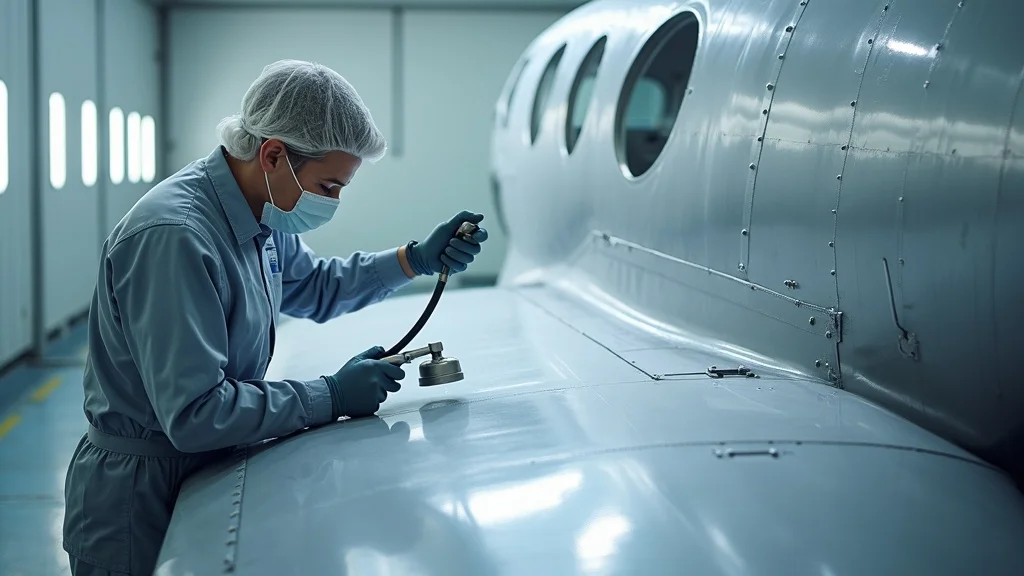
For museums or organizations seeking authentic finishes, it is tempting to use readily available automotive systems. However, these products generally lack the flexibility, durability, and chemical formulation required for lasting aircraft corrosion prevention. A proper system selection is crucial: consult with corrosion control experts or refer to aerospace and industrial specification sheets to validate coating performance. The right combination of primer, intermediate, and topcoat not only ensures prolonged corrosion resistance but also protects sensitive underlying features like aluminum skin, landing gear assemblies, and critical rivet lines. Implementing robust and compatible coatings, along with proper surface treatments, is among the most effective corrosion prevention strategies in modern aircraft preservation.
Sealing Vulnerable Areas: Precision Corrosion Protection for Aircraft Preservation
-
Critical focus on rivets, seams, access doors, and internal cavities
-
Use of aviation-grade sealants to keep moisture out
-
Ensuring adequate drainage in design and after coating
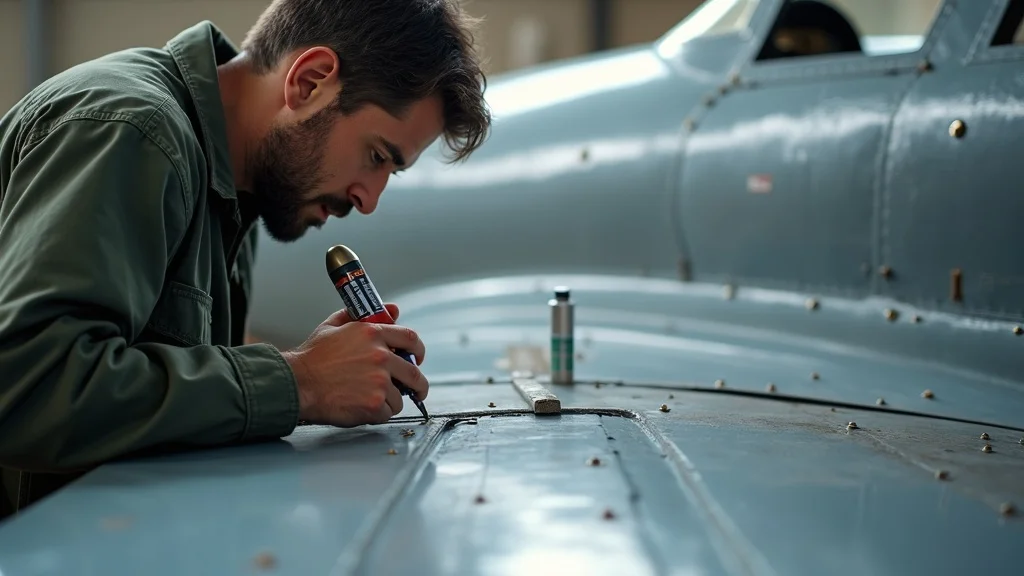
Seams, rivets, fasteners, and panel joints are notorious entry points for moisture—and overlooked trouble spots in corrosion control. Even with premium coatings, these micro-gaps can permit the ingress of water, leading to accelerated corrosion in hard-to-detect areas. Utilizing aviation-grade sealants forms a crucial part of any strategy for corrosion protection, especially when applied to lap joints, access panels, and internal cavities. Proper sealing also includes ensuring that water does not become trapped during heavy rain or washing—by modifying drainage paths and maintaining free passage for water out of the structure. Periodic checks and touch-ups of these vulnerable areas are vital components of a comprehensive preventive maintenance plan, greatly extending the effective corrosion prevention window for valuable static aircraft.
Environmental Mitigation: Strategies for Reducing Aircraft Corrosion Risk
Beyond coatings and sealants, strategic environmental interventions help reduce ongoing corrosion risks. Even the most sophisticated protective coatings suffer if the underlying environment is consistently hostile. Aircraft in controlled environments (such as indoor museums) typically face fewer challenges, but the vast majority of display aircraft remain outdoors. Every improvement in site selection, shelter, and drainage translates into effective corrosion prevention and lower long-term restoration costs.
Physical Interventions for Effective Corrosion Prevention
-
Install partial shelters or canopies
-
Elevate aircraft for better airflow
-
Modify drainage to eliminate standing water
-
Orient aircraft to reduce weather impact
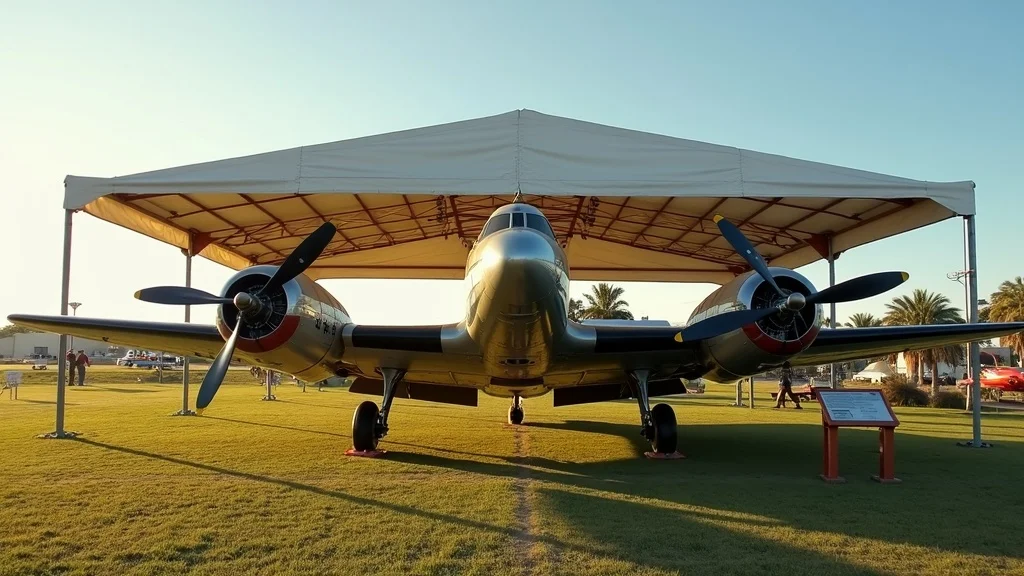
Overhead protection, such as partial canopies or custom awnings, dramatically reduces UV exposure and minimizes the amount of precipitation contacting aircraft surfaces. Elevating aircraft on pads or stands promotes airflow, quickens drying after rain, and mitigates prolonged contact with wet ground—a key driver of corrosion due to trapped moisture. Adjusting drainage on the site prevents water from pooling under landing gear or in low structural points, which is particularly important in cold climates where freeze-thaw cycles exacerbate crack formation and coating failures. Additionally, orienting aircraft to avoid direct winds, sleet, and sun can help preserve both the surface finish and substructure, resulting in effective corrosion prevention and reduced annual maintenance requirements.
Regular Cleaning and Fuel Efficiency Correlations
-
Importance of routine cleaning for corrosion control
-
Connection between surface cleanliness, long-term preservation, and historical value
Routine cleaning is paramount in any corrosion control strategies for aircraft preservation plan. Dust, salt, bird droppings, and industrial fallout act as corrosive agents and can harbor moisture on critical areas, making them points for rapid corrosion development. For operational aircraft, cleanliness also correlates with fuel efficiency by reducing drag—which, while not a concern for static aircraft, illustrates how buildup impacts both aerodynamics and chemical stability. For historical aviation assets, preserving a clean, contaminant-free surface supports both preservation efforts and public engagement, allowing the aircraft to remain an authentic, visually striking representation of its era. Consistent cleaning schedules not only enhance the effectiveness of coatings but also facilitate inspection and detection of early corrosion, acting as a vital checkpoint in the ongoing battle against degradation.
Inspection and Maintenance: Sustaining Corrosion Control Strategies for Aircraft Preservation
Sustaining the benefits of protective coatings and controlled environments relies on frequent and precise inspection. Regular inspection and preventive maintenance cycles are the backbone of any corrosion prevention program, catching minor issues before they spiral into costly restoration projects. For organizations responsible for multiple aircraft, clear documentation and process checklists standardize procedures, support accountability, and optimize long-term resource allocation.
Recommended Schedules for Regular Inspection and Preventive Maintenance
-
Annual/semi-annual corrosion risk inspections
-
Coating touch-ups and repairs
-
Documentation protocols for inspection and maintenance
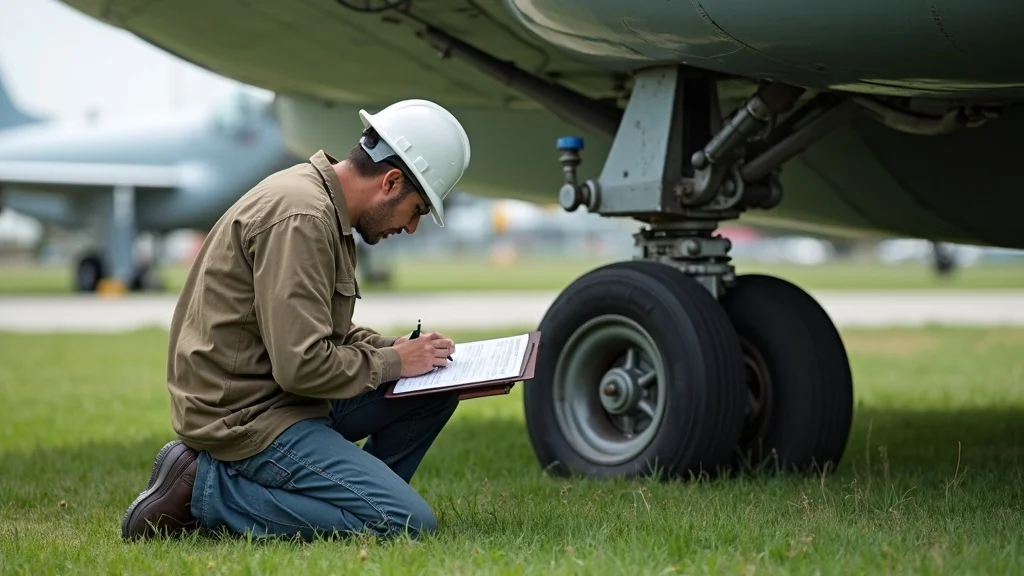
Most experts recommend thorough annual inspections for static aircraft, supplemented with semi-annual reviews if the aircraft is exposed to aggressive climates or shows signs of early degradation. Key tasks include detailed assessment of surface finish on wings, fuselage, tail surfaces, and landing gear, as well as inspection of seams, rivets, and joints. Coating touch-ups can effectively extend the life of the original system, while prompt repairs limit the spread of existing corrosion and maintain overall corrosion resistance. Careful recordkeeping allows for data-driven decisions on whether preventive maintenance intervals need adjustment and ensures that maintenance practices are tailored to specific aircraft and display conditions.
“Early detection and proactive intervention are your best tools in the battle against long-term aircraft corrosion.”
Balancing Historical Accuracy with Advanced Corrosion Prevention
-
Matching period-correct paint colors and markings
-
Retaining authentic finishes and documenting modern interventions
-
Utilizing modern corrosion-resistant materials for increased longevity
Striking the right equilibrium between historical authenticity and advanced preservation techniques is key to the long-term protection of significant aircraft. For curators and restoration teams, matching original paint schemes, stencils, and nose art maintains the integrity of historical appearance for visitors and educational programs. When modern corrosion-inhibiting materials are introduced, thorough documentation ensures that both present and future generations can track changes, reversibility, and compliance with preservation standards. In many cases, modern coating systems can be color-matched and formulated to replicate period-appropriate textures, enabling the best of both worlds: authentic aesthetics coupled with state-of-the-art corrosion protection that was unavailable when these aircraft were built.
People Also Ask: Common Questions on Corrosion Control Strategies for Aircraft Preservation
What are the most effective corrosion control strategies for aircraft preservation?
Effective strategies include a blend of thorough surface preparation, the use of proven protective coatings, meticulous sealing of all vulnerable points, environmental improvements, and a hardwired schedule for preventive maintenance and regular inspections. Each element strengthens the overall corrosion resistance and protects the aircraft’s structure and appearance.
How often should static display aircraft be inspected for corrosion risk?
Static aircraft should be thoroughly inspected at least once per year. For those in harsher climates or exposed to frequent wet conditions, a semi-annual inspection is advisable, focusing on seams, hidden recesses, and known problem areas to ensure any issues are addressed early.
What types of protective coatings are best for aircraft corrosion resistance?
Aerospace-grade coatings, especially systems utilizing epoxy or zinc-rich primers, epoxy intermediate barrier coats, and UV-resistant polyurethane topcoats, offer the best long-term protection and visual fidelity for static aircraft. These products are engineered specifically to withstand the challenges unique to aircraft preservation.
Can historical aircraft maintain authenticity while using modern corrosion control methods?
Yes, by carefully selecting color-matched coatings and following established documentation procedures, it is possible to employ advanced corrosion control while retaining the aircraft’s historical appearance. Authenticity and protection are not mutually exclusive—they are the dual objectives of well-planned restoration efforts.
Detailed Answers to Top Aircraft Corrosion Control FAQs
-
Effective strategies include rigorous surface preparation, appropriate coating systems, sealing vulnerable areas, and regular maintenance.
-
Static aircraft should be inspected at least annually, with semi-annual inspection recommended for exposed or at-risk displays.
-
Aerospace-grade epoxy primers, barrier coats, and UV-resistant polyurethane topcoats offer the best corrosion resistance for static aircraft.
-
Authenticity and protection can be balanced with careful coating selection and documentation of restoration methods.
Key Takeaways: Essential Corrosion Control Strategies for Aircraft Preservation
-
Surface preparation is foundational for all corrosion control strategies
-
Industrial-grade coatings extend longevity far beyond basic paints
-
Seal every vulnerable area, not just visible surfaces
-
Environmental adjustments make a significant difference in corrosion prevention
-
Ongoing maintenance ensures display aircraft remain preserved for generations
In Summary: Safeguarding Legacy with Comprehensive Corrosion Control Strategies for Aircraft Preservation
“Corrosion control isn’t just about appearance—it’s about preserving aircraft as enduring symbols of aviation heritage.”
Preserving historic aircraft is not a passive exercise; it demands knowledgeable planning, technical expertise, and a commitment to ongoing inspection and intervention. With the right corrosion control strategies for aircraft preservation, these remarkable artifacts continue to inspire and educate—protecting the spirit of aviation for all who come after us.
If you’re looking to deepen your understanding of aircraft preservation or want to see how these corrosion control strategies are applied in real-world scenarios, take a look at the diverse range of military aircraft painting projects completed by industry experts. These case studies showcase advanced techniques, innovative solutions, and the tangible results of meticulous preservation efforts—offering inspiration and actionable ideas for your own restoration journey. Exploring these projects can help you visualize the next level of aircraft care and spark new approaches to safeguarding aviation history for future generations.
Connect with Aircraft Preservation Experts: Call Us at 610 965 2262
Ready to implement effective corrosion protection or need expert advice on your next preservation project? Call Us at 610 965 2262 to speak with restoration specialists who can tailor corrosion control strategies to your museum, organization, or display needs.
Time-lapse: Aircraft restoration and corrosion control—showcasing cleaning, surface preparation, coating application, sealant work, and final outdoor display setup. The journey from relic to restored icon.