
Did you know? Studies show that up to 80% of premature paint failures on historic aircraft displays are traced directly to improper surface preparation, not the paint itself. The difference between a three-year repaint and a decades-long preservation system can be decided before a coating is even applied. In the world of aircraft preservation, paint failure isn’t a surface-level issue. It usually begins with hidden corrosion or improper substrate work—problems sealed in by a hasty prep job. If you’re responsible for saving the past for future generations, mastering surface preparation and coating removal is the single most critical, yet often overlooked, factor in safeguarding the value, safety, and legacy of aircraft and munitions.
What You’ll Learn About Aircraft Preservation
- Why surface preparation is critical for aircraft preservation and not just aesthetics
- How to assess coatings and substrates before removal
- Best practices and pitfalls in coating removal methods for aircraft and munitions
- How to identify and treat corrosion during aircraft preservation projects
- Adhering to environmental and regulatory controls in historic aircraft preservation
- Preserving original markings and integrity through careful surface prep
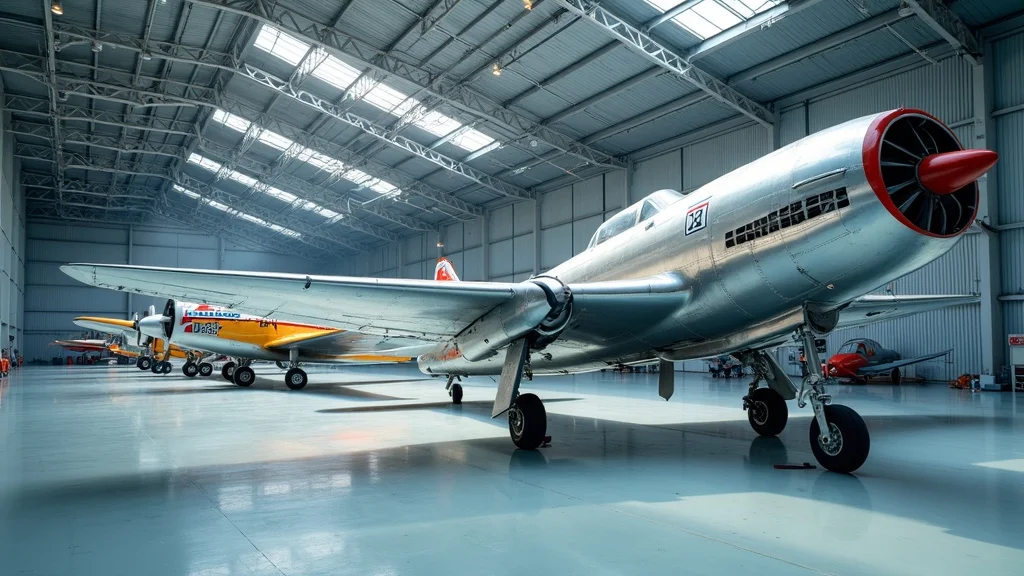
“Surface preparation is the single biggest factor in achieving long-term success for aircraft preservation. Skipping it guarantees the preservation effort will fail before it even begins.”
Why Surface Preparation is Mission-Critical in Aircraft Preservation
When it comes to aircraft preservation, skipping or rushing the surface preparation step can guarantee early failure of the coating system—threatening both the structural integrity and historical value of the aircraft. Paint is not merely decorative for aircraft and munitions; it acts as the first line of defense against damaging UV rays, rapid temperature cycling, persistent moisture, and environmental contaminants. If the surface under the paint isn’t properly cleaned and profiled, hidden corrosion can progress unchecked, ultimately leading to expensive repairs and shortened asset lifespans.
Static display aircraft, unlike those in full operation, face continuous assault from the elements. UV exposure fades and breaks down coatings, while moisture accumulates in seams and cavities. Over time, poor prep allows corrosion to develop beneath the paint, leading to blistering, delamination, and, eventually, potentially irreversible structural loss. A disciplined, preservation-focused approach ensures the coating system’s protective function is preserved, which in turn protects legacy assets throughout their offline storage or exhibition. Remember: The goal is preservation, not just a fresh appearance.
For a deeper understanding of how foundational surface preparation is to the entire aircraft preservation process, you may find it helpful to review additional insights on the essential steps and considerations in military aircraft painting, which further highlight the importance of meticulous prep work for long-term results.
How Paint Functions as a Protective System for Aircraft and Munitions
- Counteracting UV, moisture, and temperature cycling on exposed aircraft surfaces
- Failure to prepare surfaces promotes hidden corrosion and shortens coating life
Preserving aircraft and munitions involves more than just applying a fresh coat—it’s a calculated defense against the ongoing effects of environmental cycling. Paint acts as a barrier, protecting fuel system components, joints, fasteners, and underlying alloys from UV radiation that can embrittle surfaces and from moisture that seeps through even microscopic breaks in coatings. When preparation is skipped or hurried, contaminants get trapped, and the oil system, fuel lines, and electrical systems may be exposed to corrosive attack. This can lead to systemic failures within a period of time much shorter than anticipated, requiring costly remediation and shortening the preservation interval of defense and aviation assets.
Paint vs. Preservation: Understanding the Asset
- Long-term asset value depends on the integrity of preservation processes, not just appearance
The key distinction between simply repainting and genuine aircraft preservation is intent and outcome. While repainting might prioritize aesthetics, proper preservation focuses on maintaining original structures, historical markings, and the continued reliability of preserved subsystems such as fuel system preservation and oil system preservation. For many, the company’s work scope is not just about making the aircraft look “display-ready,” but about ensuring it remains protected for decades. Preservation should include a thorough understanding of how each process affects the underlying components—structural and cosmetic—and should always favor procedures that maintain authenticity and prevent irreversible loss.
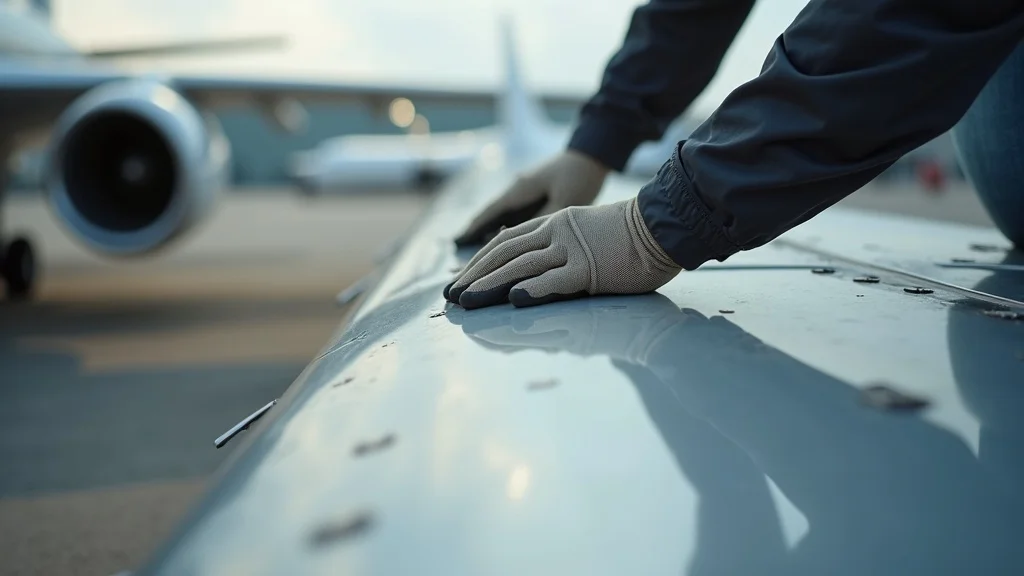
Proper Identification of Aircraft Coatings & Substrates for Aircraft Preservation
Before a single layer of paint or primer is removed, it’s vital to determine exactly what you’re dealing with. Failure to properly identify both the existing coating and the underlying substrate is a common misstep—one that can drastically affect the outcome of any aircraft and munitions preservation project. Identifying the type of paint, such as urethane, enamel, epoxy, or legacy finishes, informs the removal strategy and ensures compatibility with future coatings, preventing short circuits and chemical reactions within the substrate or surrounding materials.
Substrate identification is equally critical—aircraft are constructed of aluminum alloys, steel, and in many cases, advanced composites. Each responds uniquely to chemical strippers or mechanical methods. Skipping this analysis risks damaging original markings, corroding irreplaceable structures, or causing deterioration in fuel lines or oil system components. A professional assessment sets the groundwork for the right system preservation steps and upholds the aircraft’s historical and structural integrity.
Types of Existing Aircraft and Munitions Coatings
- Urethane, enamel, epoxy, legacy paints on historic aircraft
- Common substrate types: aluminum alloys, steel, composites
Aircraft preservation projects often contend with complex layering: multiple generations of paint, primers, and specialty coatings. Urethanes provide exceptional UV protection, enamels were popular on classic aircraft, and epoxies deliver chemical resistance. Substrates may be all-metal (aluminum or steel) or composites on newer assets. Each type requires tailored removal and preservation techniques—treating a legacy WWII fuselage like a modern composite will invite disaster. Coordinating work scope to include full identification and system preservation should include both visual and documented substrate analysis prior to starting.
Dangers of Skipping Coating/Substrate Analysis
- Chemical incompatibility and damage to original aircraft structure
- Loss of irreplaceable aircraft markings
One of the gravest errors in aircraft and munitions preservation is beginning removal without confirming what needs to be preserved. Chemical strippers that work for one type of coating can damage a historically significant marking; abrasive blasting can thin aluminum alloys or cause galvanic corrosion. Markings, nose art, or manufacturing stamps are often one-of-a-kind and should be documented and protected before prep starts. Proper preservation should include photographic documentation, color-matching, and even the use of aircraft software to record all findings for future reference and regulatory compliance.
| Coating Type | Substrate | Risks if Mismatched | Preservation Outcome |
|---|---|---|---|
| Urethane | Aluminum | Corrosion, paint failure | Poor adhesion |
| Enamel | Steel | Incomplete removal, rusting | Accelerated deterioration |
Coating Removal Methods for Aircraft Preservation: What Works & What Doesn’t
When old coatings must go, the choice of removal method is just as important as what’s going back on. From chemical strippers to media blasting and hand tools, each approach carries benefits and risks. The selection must reflect the aircraft’s age, material construction, and the historical or operational requirements set by the work scope. Poor selection here can compromise structural integrity and make system preservation impossible.
For legacy or museum aircraft, especially, the process should never default to commercial practices used on automotive or industrial metal. Aggressive blasting, incorrect stripper chemistry, or skipping documentation can result in the loss of unique surface details and create issues ranging from electrical system short circuits to irreversible cosmetic damage. For the long-term success of preservation efforts, the method must be chosen and controlled by experienced professionals familiar with aircraft and munitions systems.
Chemical Stripping for Aircraft and Munitions
- Pros: Best for intricate aircraft details, safer for historic structures
- Cons: Regulated waste handling, possible substrate reactions
Chemical stripping is often the best solution for preserving delicate or valued details on historic aircraft and munitions. It dissolves paint without the abrasion of blasting, making it suitable for areas with fine rivets, seams, or vintage nose art. However, chemical stripping brings environmental and regulatory challenges—it generates hazardous waste which must be handled according to EPA and OSHA protocols. Additionally, incompatible strippers can react with aluminum alloys, leading to pitting or weakening of skin panels, so a small-scale compatibility test is essential before full operation. Proper handling and neutralization, along with humidity level control, are vital to achieving the desired preservation outcome without introducing new risks to the asset.
Media Blasting: Advantages and Major Pitfalls
- Appropriate on robust surfaces with extreme precision
- Media selection (plastic, walnut shell, soda) – avoid sand or grit
Media blasting, including plastic, walnut shell, and baking soda, can be fast and effective when used on robust components of aircraft and munitions such as landing gear or armored sections. The key is choosing a soft, specialized media that avoids embedding into soft aluminum or composite surfaces. Sand or other aggressive blasts must be avoided—these will thin skin panels, remove historical markings, and can cause short circuits in the electrical system. Every media blasting job should be tightly controlled with clear documentation and regular inspections. The work scope should dictate exact areas where blasting is allowable, and routine supervision should be required to prevent over-blasting.
Manual & Mechanical Removal Techniques
- Best for delicate areas or localized corrosion on aircraft
- Requires skilled, careful execution
Manual and mechanical methods—sanding, scraping, or using detail power tools—offer high control for sensitive sections, nose art, or where original markings must be preserved at all costs. These methods are labor-intensive but optimal for ensuring historical integrity and preventing over-restoration. Skilled technicians working under low humidity levels, using specialized tools, can precisely target corrosion or old paint, making this approach indispensable for high-value preservation work. Documentation of all surface findings during this process is highly recommended, using detailed photographs and aircraft software for record-keeping in both system preservation and regulatory compliance.
Hybrid Removal Approaches in Aircraft Preservation
A blended strategy using chemical, light media, and manual work is often the safest and most effective solution for comprehensive aircraft preservation. This hybrid approach leverages the strengths of each method while minimizing their risks, especially when original features or curvature must be preserved. Careful sequencing, regular system checks, and humidity control throughout the process ensure consistent preservation outcomes and extend the lifespan of protective finishes, fuel systems, and oil systems alike.
Corrosion Identification & Remediation in Aircraft Preservation
Once the coatings are stripped, the real health of the aircraft is revealed. This is when hidden threats can emerge—corrosion, the silent destroyer of aircraft and munitions. Failure to identify and remediate corrosion at this stage creates the risk that new coatings will trap the problem beneath the surface, leading to rapid deterioration and shortened preservation intervals.
Expert assessment is required to identify corrosion types such as pitting, filiform, and galvanic attack—each requiring a different response. Documentation helps inform present and future maintenance tasks, and it supports compliance with defense and aviation standards for static display or storage and maintenance programs. The findings at this stage shape the final preservation plan and dictate which remediation techniques are used.
Types of Corrosion Found Under Aircraft Coatings
- Pitting, filiform, and galvanic corrosion
- Critical to address immediately upon discovery
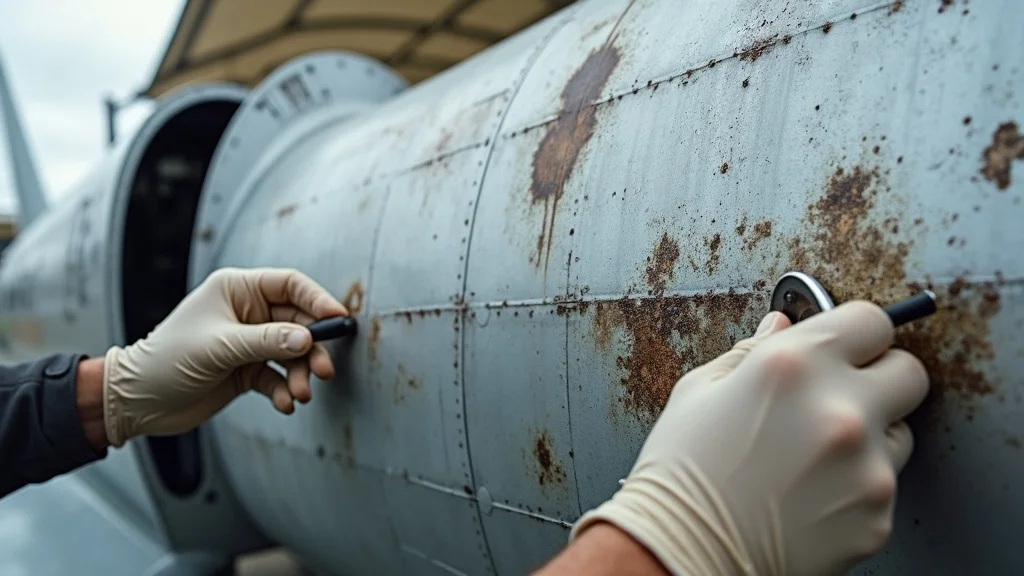
Pitting corrosion forms small, deep cavities and, if left untreated, can compromise structural integrity. Filiform corrosion travels beneath paint in thread-like formations, often due to trapped moisture or high humidity levels. Galvanic corrosion arises where different metals are joined, especially near repairs with incorrect hardware. All should be addressed early—removal of the visible problem and chemical stabilization ensures new coatings adhere and protect as intended, enabling true aircraft preservation without hidden liabilities.
Effective Treatment: Mechanical and Chemical Techniques
- Using Alodine and other conversion coatings for corrosion inhibition
Immediate remediation typically involves a combination of mechanical cleaning—using brushes, plastic scrapers, or light sanding—and chemical stabilization. Products like Alodine, an industry-standard conversion coating, inhibit further corrosion by passivating bare aluminum and promoting long-term system preservation. Meticulous cleaning is needed before application, ensuring no contaminants persist. These methods, paired with humidity and dust control, result in an optimal substrate ready for the next phase of surface preparation, supporting extended storage and maintenance or display periods.
Surface Preparation Standards for Aircraft Preservation Projects
A disciplined approach to surface preparation in aircraft preservation means adhering to recognized performance standards. Organizations such as SSPC (Society for Protective Coatings), NACE, and aerospace industry groups have codified target conditions for system preservation. It’s not enough to aim for a clean or aesthetically pleasing appearance—the substrate must be bond-ready, with no oxidation, embedded contaminant, or residue present.
Surface profiling, contaminant testing, and humidity control verified by modern aircraft software tools ensure the preservation process aligns with best practices. These efforts are essential for ensuring reliable paint adhesion, long service life, and minimal future maintenance tasks. A rigorous maintenance program should always benchmark results against these standards, particularly for static displays in high-profile settings like museums or defense and aviation heritage sites.
Aerospace and SSPC/NACE Surface Prep Standards
- Targeting bond-ready surfaces, not just appearance
- Guidelines for contaminant removal and surface profiling
Industry standards require removing all dust, oils, and corrosion products to achieve a surface capable of forming a chemical and mechanical bond with the preservation coating. The system preservation should include thorough inspections and tests for potential short circuits, fuel system contamination, and electrical system readiness prior to coating application. Only by meeting these benchmarks can a preservation team assure asset owners of a successful long-term outcome.
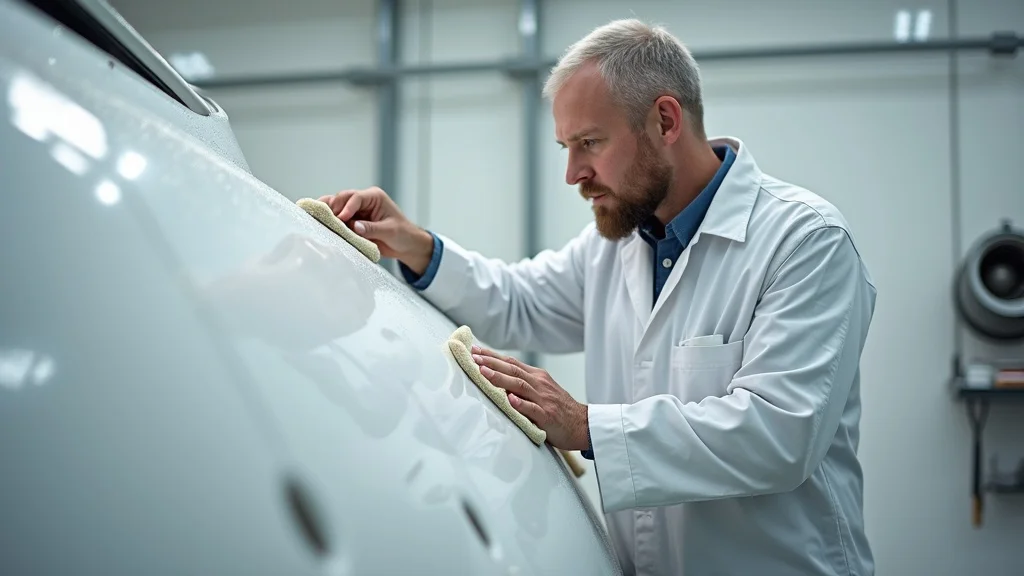
Balancing Preservation and Historical Integrity in Aircraft Restoration
Surface preparation for aircraft preservation is not about delivering a flawless, “like-new” appearance; it’s about respecting the authenticity of the original asset. Many historic aircraft feature unique markings, original paint schemes, or construction quirks that contribute to their value. The challenge lies in both protecting these elements during preservation and updating the asset to extend its operational life in a static display role.
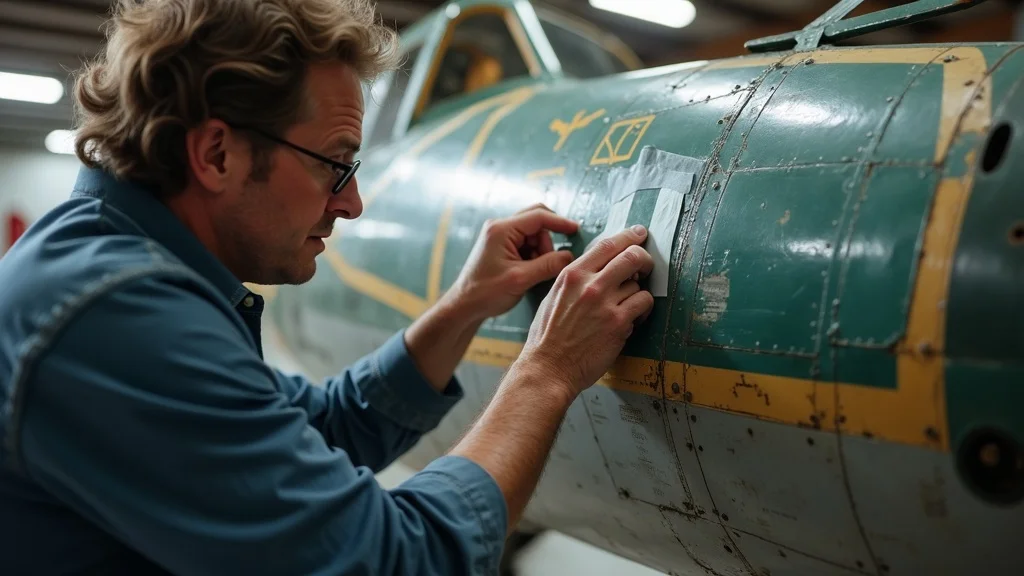
Documentation and precise masking are essential. Every step, from photographic recording to digital archive with aircraft software, supports the goal of returning the aircraft to display in a way that reflects its true service history. Over-restoration—stripping or refinishing surfaces until all patina or originality is lost—should be avoided. The strongest preservation projects achieve the ideal balance: surface protection with integrity intact.
Documenting and Masking Historical Markings
- Photographic documentation and precise masking prior to prep
- Matching color and gloss levels as per original specifications
Before prep work begins, every marking, panel line, and detail should be carefully documented using high-resolution photography and, where available, digital scanning technology. This ensures all original insignias, stencils, or custom nose art can be reconstructed if touched during the project. Masking sessions should be meticulous—professionals use low-tack tapes and specialized covers to shield critical features, ensuring authenticity in final presentation. Colors, gloss levels, and even paint thickness should be measured to match the original as closely as possible using modern color-matching tools and system preservation protocols.
Avoiding Over-Restoration in Aircraft Preservation
True preservation maintains evidence of an aircraft’s life story—battle scars, service markings, or faded paint belong on a preserved artifact. Over-restoring in an effort to eliminate all visible wear not only erases history but can also introduce incompatibilities between old and new materials. The correct work scope must focus on extending asset longevity and historical accuracy, allowing future generations to access to aircraft that truly reflect their era, mission, and memories.
Navigating Environmental & Regulatory Hurdles During Aircraft Preservation
Aircraft and munitions from previous eras often feature hazardous coatings—such as those containing lead—that demand specialized handling throughout removal and disposal. Modern preservation projects must carefully navigate layers of federal, state, and local regulation, balancing environmental protection with the goal of historical integrity and asset safety.
Protocols for containment, ventilation, and hazardous waste management are paramount. These concerns go beyond preservation: mistakes here can result in expensive cleanups or regulatory sanctions stretching years past a project’s completion. Adhering strictly to EPA, OSHA, and other standards ensures a smooth process and protects both workers and the community throughout the storage and maintenance phases.
Managing Lead-Based and Hazardous Coatings
- Containment protocol for removal of legacy munitions coatings
- EPA, OSHA, and local guidelines in aircraft and munitions projects
Legacy aircraft and munitions coatings often contain heavy metals or other hazardous substances. Specialized containment and air handling equipment are used to prevent airborne contaminants during stripping, and all waste is collected for regulated disposal. Proper training and PPE are a must, and desiccant dehumidification plays a role in minimizing airborne dust and keeping humidity levels within safe ranges during abatement. Strict documentation of each removal phase is added to the aircraft software record, providing bulletproof regulatory compliance should an audit occur years down the line.
Reducing Liability with Proper Waste Handling
Beyond safety, meticulous hazardous waste management reduces liability for asset owners and organizations. Documentation is the key—maintaining a chain of custody for every removed material, ensuring nothing is missed, and working only with certified disposal partners to complete the system preservation cycle. Liability can extend far beyond the initial project completion, so prudent teams build waste management protocols directly into the work scope from day one.
Final Preparation Before New Coating Application in Aircraft Preservation
The final cleaning and inspection steps before applying a new preservation coating are as critical as any previous stage. Dust, grease, or residue must be eliminated, and strict environmental controls must be in place. Even short delays at this point can allow flash corrosion to begin, undoing the benefits of all previous hard work. Solvent wipes, tack rags, and precise monitoring of ambient humidity and temperature are required to achieve optimal conditions for coating longevity and full operation in static display or storage environments.
Essential Last Steps: Cleaning, Dust Control, and Environmental Readiness
- Solvent wipes, tack rags, humidity and temperature checks
- Optimal timing for new coating application to ensure longevity
Once cleaning is complete, any final prep window should be as brief as possible—industry best practice is to apply preservation coatings while humidity levels and temperatures remain stable, sealing surfaces before flash rust or contamination can set in. Desiccant bags and dehumidification systems help maintain a safe microclimate inside and outside the aircraft, maximizing coating performance and ensuring proper preservation into the future.
Common Mistakes to Avoid in Aircraft Surface Preparation & Preservation
- Treating aircraft like automotive or industrial equipment
- Aggressive blasting of thin aluminum skins
- Inconsistent corrosion treatment and documentation
Perhaps the most damaging error in aircraft and munitions preservation is treating vintage or static aircraft as if they were vehicles or machinery. Standard auto body blasting, commercial paint strippers, or incomplete corrosion remediation can erase decades of history and compromise vital structures. Skipping detailed documentation of original markings, failing to match materials, or mismanaging environmental controls further jeopardize the outcome. Sophisticated maintenance tasks demand a “preservation first” approach to deliver the long-term defense and aviation outcomes that stakeholders expect.
“The most common mistake is thinking that prepping an aircraft for preservation is the same as prepping metal for repaint. It isn’t. The cost of that error is often irreversible structural loss.”
Strategic Benefits of Meticulous Surface Prep in Aircraft Preservation
- Extends lifespan of preservation coatings—sometimes by decades
- Reduces future maintenance and ensures historical accuracy
- Lowers overall lifecycle cost for museum or static display aircraft
Meticulous surface preparation is not a hidden or negotiable step—it is the foundation. Done properly, it extends the life of expensive coatings, reduces the time and money spent on future maintenance, and preserves the asset’s true story for the next generation. Whether undertaken for defense and aviation museums, municipal displays, or private collectors, approaching surface prep as a specialized discipline—distinct from normal operation—delivers both short- and long-term value, keeping preservation costs in check and historical accuracy front and center.
People Also Ask: Aircraft Preservation FAQs
What is aircraft preservation?
- Aircraft preservation involves the deliberate processes of cleaning, corrosion protection, and surface preparation to maintain an aircraft’s structural and aesthetic integrity, especially for static display or long-term storage.
Can you fly an engine past TBO?
- Operating an engine beyond its Time Between Overhaul (TBO) is not recommended for safety and reliability reasons, though some historic or display aircraft components may remain preserved for non-flying display if proper conservation is ensured.
What is the 70 50 rule in aviation?
- The 70/50 rule generally refers to a landing distance guideline: if an aircraft has not used 70% of the runway by the time it slows to 50% of landing speed, consider aborting the landing. In preservation, similar ‘margin rules’ ensure enough buffer for effective restoration.
What is the 3 to 1 rule for pilots?
- The 3 to 1 rule helps pilots plan descents: for every 3 nautical miles, descend 1,000 feet. While primarily operational, precise planning is also central in preservation—prep must align closely in timing and staging for best outcomes.
Conclusion: Why Surface Preparation is the Core of Aircraft Preservation
- Proper surface preparation dictates the success of aircraft preservation
- Skipping or rushing this step risks both structural life and historical legacy
- Approach every preservation effort as a unique, high-stakes project
If you’re looking to elevate your preservation strategy and ensure your aircraft stands the test of time, consider exploring broader approaches and advanced techniques that go beyond the basics. Delving into comprehensive resources on military aircraft painting and restoration best practices can provide you with a strategic edge, helping you anticipate challenges and implement solutions that safeguard both structural integrity and historical value. By expanding your knowledge, you’ll be better equipped to make informed decisions, avoid common pitfalls, and achieve preservation outcomes that honor the legacy of every aircraft under your care. Take the next step in your journey and discover how expert guidance can transform your preservation projects from routine to remarkable.
Request Expert Help for Your Aircraft Preservation Project
- Ready to protect your aircraft and maintain its historical value? Call Us at 610 965 2262 to discuss a preservation-focused strategy today.