
Picture walking into a museum hangar brimming with restored fighters and bombers—every paint chip, squadron insignia, and weathered panel reflecting not just technical skill, but the lived story of aviation history itself. Camouflage accuracy for military aircraft preservation is more than aesthetics—it’s about honoring the legacy, service, and innovation that shaped each era of warfare and peacetime aviation. This journey into preserving military aircraft reveals why historical authenticity in aircraft camo and paint schemes matters, and how each detail transforms machines into artifacts that speak across generations.
What You’ll Learn About Camouflage Accuracy for Military Aircraft Preservation
-
The principles behind accurate camouflage for military aircraft preservation
-
How to research and verify camouflage schemes, markings, and finishes
-
Common mistakes made in aircraft camo restoration
-
Why historical accuracy in military aircraft camouflage matters
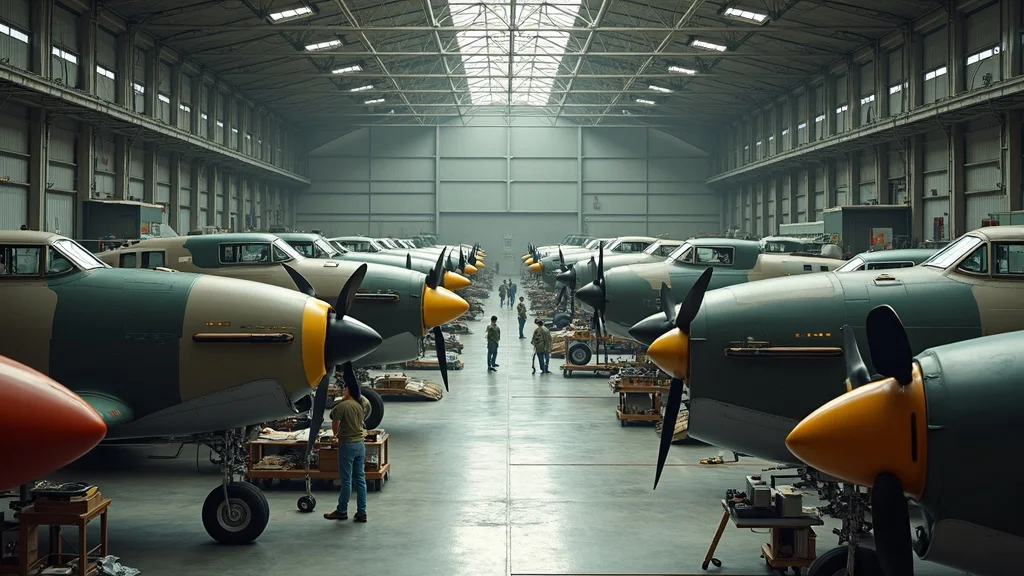
Preserving History: The Importance of Camouflage Accuracy for Military Aircraft
Military aircraft are more than machines—they are historical artifacts that represent the service, sacrifice, and technology of a particular era.
Preserving camo accuracy for military aircraft goes far beyond fresh paint—it’s about capturing the essence of moments where technology, strategy, and human grit converged. Whether housed in an air force museum or parked at an aircraft collector’s field, accurate military camouflage schemes ensure that visitors and enthusiasts encounter a true representation of history. Aircraft camo is a powerful tool that can transport audiences back to the World War era—whether it’s the olive drab of a WWII fighter or the desert tan of a Gulf War attack jet. Authentic military camo isn’t simply applied; it must be researched, referenced, and layered in a way that honors the operational context and era. When an aircraft’s colors, markings, and finishes are correct, every rivet and insignia educates, inspires, and preserves our collective memory.
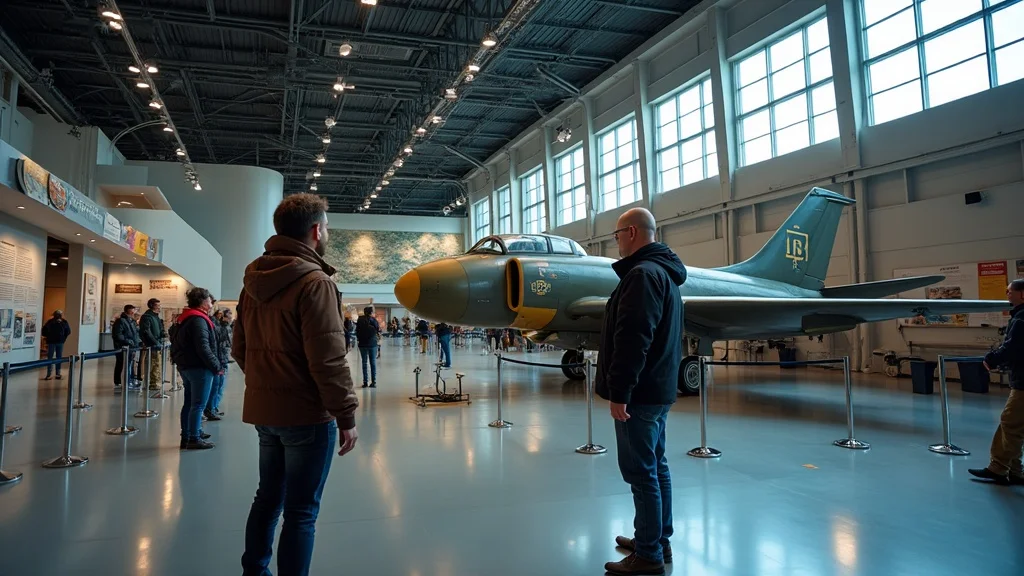
Every Aircraft Has a Story: Personalizing Camouflage Accuracy for Military Aircraft Preservation
No two military aircraft share the exact same path—their legacy is shaped by the missions they flew, the squadrons they served, and the skilled hands that maintained them during hot takeoffs and hard landings. That’s why camouflage accuracy for military aircraft preservation cannot overlook the individual characteristics that define each plane’s story. Unit history, serial numbers, field modifications, and mission markings imbue each restoration with unique authenticity. To recapture an aircraft’s wartime or peacetime appearance, restorers dive into aircraft camo nuances: subtle tail-code adjustments after a move, the addition of bombing-mission tallies, or patchy repainting from field repairs. Aging, weathering patterns, and even personalized nose art provide tangible reminders of individual service. Each detail, researched and applied with fidelity, ensures that restored military aircraft are not just painted artifacts—they are historical documents in flight.
For those interested in seeing how these principles are applied in real-world settings, exploring a collection of military aircraft painting success stories can provide valuable insight into the meticulous process and attention to detail required for authentic restoration.
Influence of Serial Numbers and Mission Markings
Precision in serial numbers, tail codes, squadron insignia, and mission marks is foundational to authentic restoration. Aviation history is written on the fuselage, with every marking telling a story about its operational journey. By examining original squadron documents, photo archives, and personal accounts, restoration teams accurately represent which units an aircraft served, how many missions it flew, and what role it played in world conflicts. For example, a specific WWII bomber’s tail might reveal a sequence of mission decals, each marking a key event in the air force’s campaign. Incorporating accurate insignia not only enhances historical accuracy but pays tribute to the crews whose stories shaped our world.
-
Examining tail codes, squadron insignia, and unit history for military aircraft
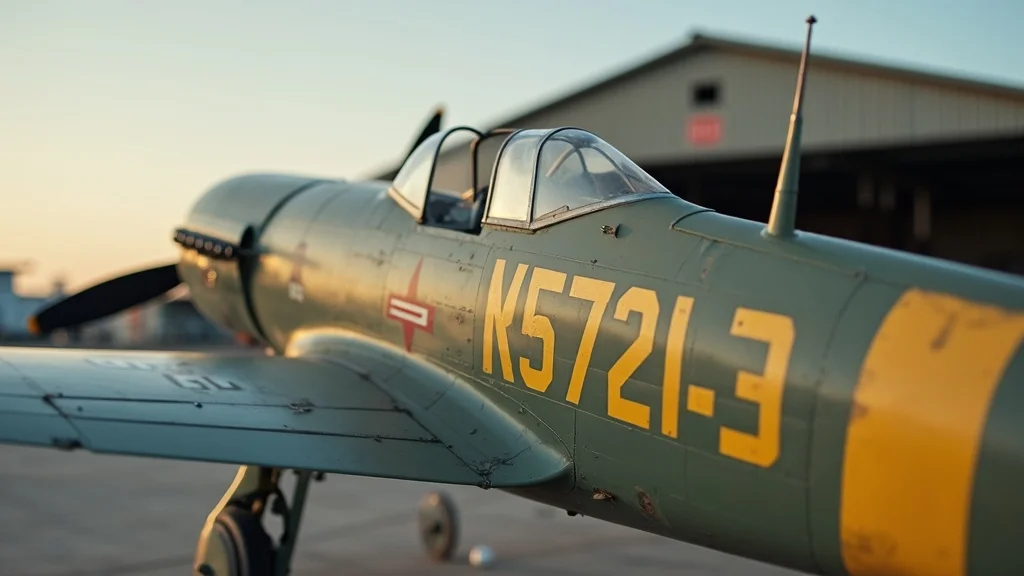
Impact of Combat Deployments and Field Modifications
Combat rarely leaves any aircraft untouched. Field modifications—whether quickly applied patches, hand-brushed camouflage, or emergency repaint jobs—reflected the realities of war. Camouflage schemes evolved rapidly during World War II and the Cold War periods as squadrons adapted to new environments or tactics. Evidence from archival photos and veteran testimony helps distinguish between factory-fresh camouflage and in-theater adaptations such as improvised desert tan, Southeast Asia green camouflage, or the adoption of darker upper surfaces during late-war European air campaigns. For restorers, faithfully replicating these modifications ensures authenticity, showing how aircraft camo functioned not just as a paint scheme but as a dynamic response to operational demands.
-
Understanding camouflage schemes and their evolution during World War and Cold War periods
The Foundation: Researching Camouflage Accuracy for Military Aircraft Preservation
Before the first drop of paint is mixed, the most effective restorations begin with deep research. Accuracy in military aircraft camouflage hinges on a wealth of historical documentation: maintenance logs, original technical orders, factory blueprints, government archives, and, crucially, photographs. Diligent preservationists mine these resources, looking for clues about manufacturer paint codes, contemporary finishes, and on-the-ground modifications performed by air forces across theaters. Integrating oral histories from veterans adds another layer of authenticity, revealing details (like custom nose art or hastily brushed-over serial numbers) that official documents may miss. By marrying photographic analysis with hands-on document research, restorers ensure every visual camo element represents the aircraft’s original context. This blend of scholarship and craftsmanship sets the standard for camouflage accuracy for military aircraft preservation.
Utilizing Historical Photographs and Archives
Historical photographs and maintenance records are a restorer’s best ally. High-resolution imagery captures the nuances lost in written records alone, from the way sun-faded olive drab appeared after 40 missions, to the exact location of stencils on a nose panel. Accessing technical orders and official paint schemes issued by original manufacturers is crucial for aircraft camo validation, while military technical orders can offer guidance on emergency repaints and field variations. Interviews with crew and maintainers often reveal unrecorded details—like the personalized nose art that adorned only a handful of aircraft. For preservation efforts, this layered approach—combining visual archives, documents, and human memory—establishes a gold standard for military camo authenticity.
-
Accessing original maintenance records and military technical orders
-
Integrating veteran interviews and government documentation for authenticity
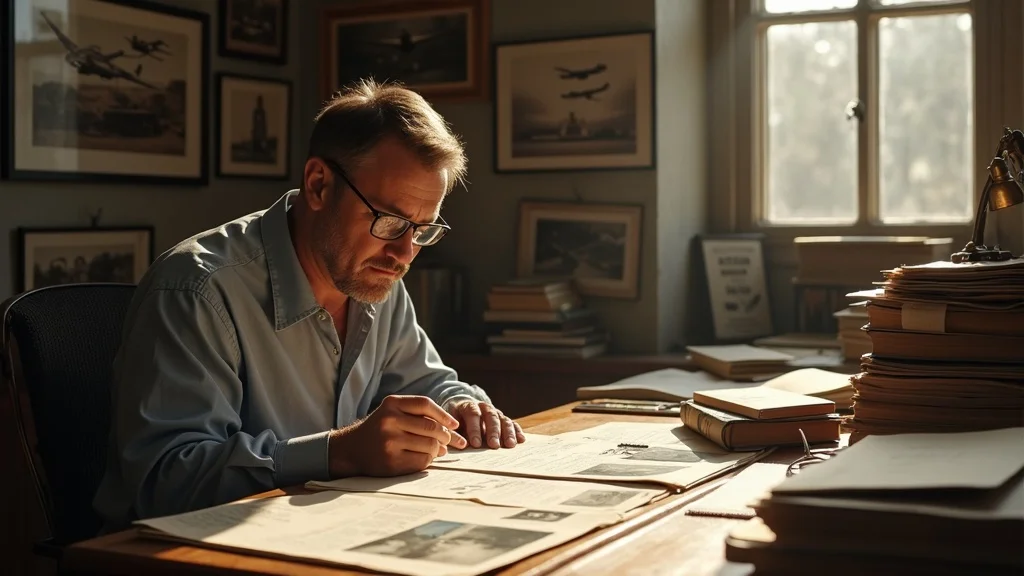
Factory Paint Specifications & Authentic Camouflage Schemes
The foundation of any accurate restoration is a clear understanding of original factory paint specifications—these documents spell out the paints, finishes, and serial locations required for each aircraft. During World War II, the specified olive drab or navy blue-gray might quickly weather into new hues after exposure to operational theaters. Restoration teams must decipher the intentions behind a paint scheme, recognizing which aspects remained constant and which changed in theater during the Cold War or conflicts like the Vietnam War. Detailed study of color chips, surviving unrestored panels, and photographic evidence ensures camouflage pattern accuracy. Proper application techniques, such as replicating original stenciling or brushwork, are critical for not only visual similarity but also for capturing the texture and feel of period-appropriate military camouflage.
Evolution of Military Camouflage: Schemes Through the Ages
Military camouflage for aircraft has evolved to meet the unique needs of each operational era, environment, and theater of war. During World War II, the dominance of olive drab and gray allowed fighters and bombers to blend with European landscapes and cloudy skies, while naval aircraft relied on blue-grays to fade into the Pacific. The Vietnam War introduced Southeast Asia’s iconic green and tan patterns, tailored for jungle concealment, while the Cold War era saw shifts toward the European One scheme and eventually to the low-visibility grays of modern air superiority doctrine. Each camouflage scheme tells the story of tactical evolution, balancing visual camouflage needs with squadron identity and technical limitations. The adaptation of new paint schemes by leading air forces remains an ongoing process, always focused on maximizing survivability and mission success while respecting the unique context of each aircraft’s service life.
From World War II Olive Drab to Modern Low-Visibility Grays
The olive drab and neutral gray of World War II were chosen for their effectiveness against the varied backdrops of European battlefields, but aircraft camo took on entirely new color palettes for different conflicts. Navy blue-gray made its mark in the Pacific, providing fighter and bomber concealment over water. The Vietnam War’s Southeast Asia camouflage merged dark green, tan, and black for optimal jungle cover, while later efforts like European One combined greens and grays for central European climates. The Gulf War’s desert schemes used tan and light grey to reduce visibility on sandy terrain. Today, low-visibility grays enable modern military aircraft to reduce visual detection across a range of air superiority environments—a reflection of changes in warfare and technology.
-
Comparing World War II and World War camouflage systems, including navy blue-gray, Southeast Asia, European One, and desert patterns
Color Choices Based on Mission and Theater
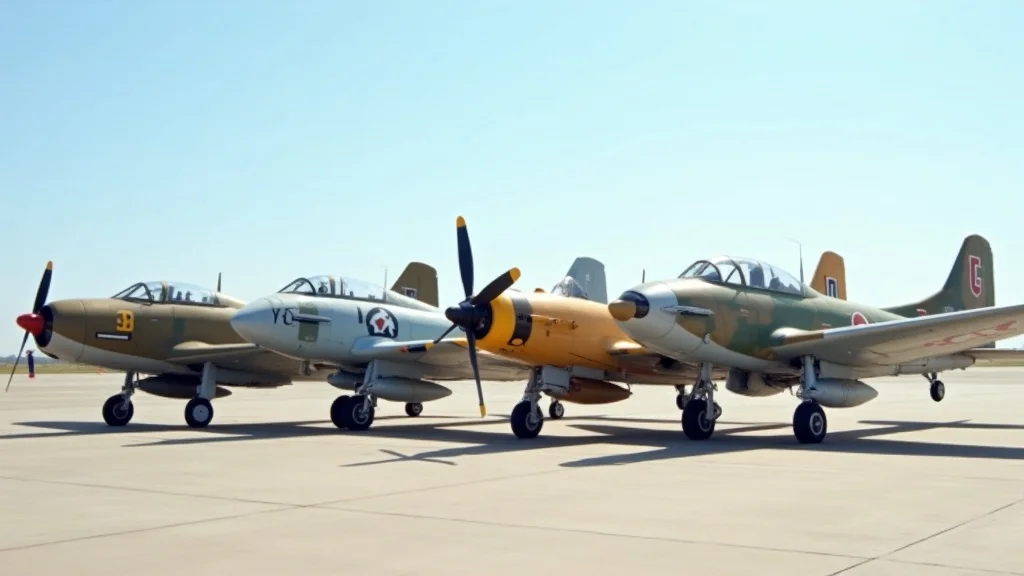
Just as environments shift, so too do military camo needs. Air forces carefully adapt camouflage to the operational background—a lesson evident in the transition from lush, green European patterns to desert and maritime schemes for conflicts in North Africa and the Middle East. Light grey and sand tones allowed aircraft to blend with arid landscapes, while darker upper surfaces protected planes in the rainy European theater. Each paint scheme is selected based on visibility, threat profiles, and mission requirements. For restorers, matching these choices means understanding both the technical logic and the context of deployment to achieve authentic visual camouflage.
-
Understanding air forces’ adaptation of military camouflage for specific environments
The Challenge of Color Accuracy in Military Aircraft Camouflage
Achieving color precision in camouflage accuracy for military aircraft preservation is far from straightforward. Historical colors—like WWII olive drab or Cold War grays—are subject to the ravages of time: weathering, fading, sun bleaching, and repair-driven touch-ups all leave their marks. Matching a sample from archival images does not account for the way age, exposure to visible light, or changes in paint technology can alter how color appears today. Restoration experts must balance factory specifications with replicated signs of operational wear, adopting the correct matte, gloss, or semi-gloss finishes required by the historical period. Lighting—whether the bright sun of an air show or the diffused light of a museum hall—can make military camouflage look dramatically different. Therefore, true accuracy means combining color research with an understanding of how real-world aging impacts visual camo.
Weathering, Fading, and Paint Aging
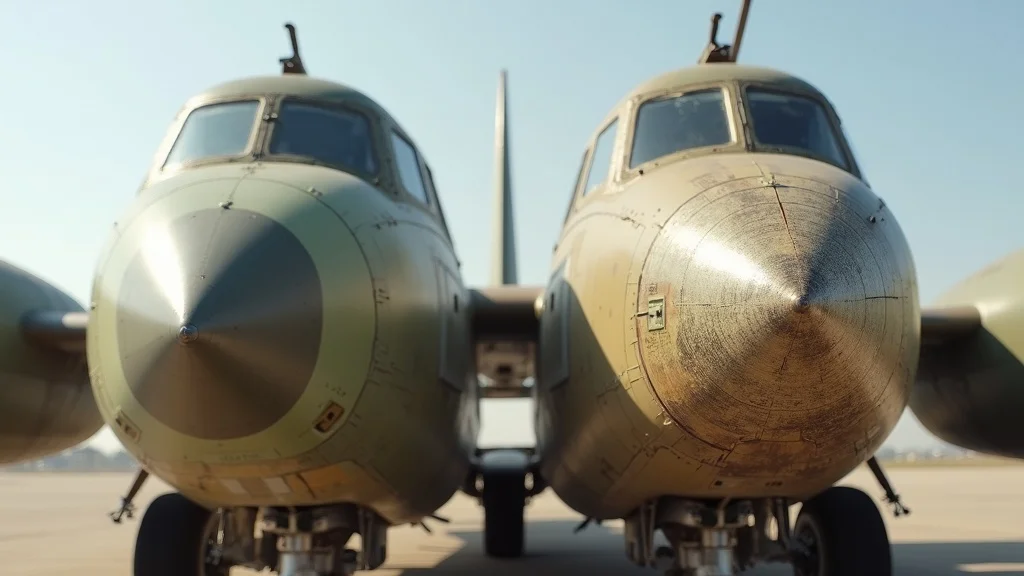
Environmental exposure rapidly changes the appearance of military camouflage on aircraft. Sunlight, wind, rain, and operational use combine to transform fresh camouflage into uniquely faded and weathered finishes. Restoration teams must study how WWII olive drab dulled after months of missions, or how Southeast Asia camo lost contrast in Vietnam’s climate. Differentiating between a freshly applied paint scheme and one that faithfully replicates battle-worn patinas is critical to preserving historical integrity. The goal isn’t pristine color matching, but capturing the real look of an operational aircraft, complete with natural surface cracks, slight discoloration, and minor chipping that tells the story of active service.
-
Distinguishing between fresh and aged aircraft camouflage
Original Military Paint vs. Modern Equivalents
While original military paint codes provide a benchmark, modern paint formulations are rarely exact matches. Differences in pigment, application techniques, and available finishes can dramatically alter how a camouflage pattern looks under contemporary conditions. Restoration specialists need to test finishes under museum and outdoor lighting to ensure that olive drab or dark green appears as it once did on the tarmac. From matte to semi-gloss to full gloss, the finish impacts not only the color depth but also the effectiveness of visual camo. That’s why experienced restorers know that, as the experts say, “Matching a color chip alone isn’t enough to ensure authentic military camo restoration. Context, surface texture, and lighting interplay all matter when achieving true camouflage accuracy for military aircraft preservation.
-
Effects of lighting, matte, semi-gloss, and gloss finishes on visual camouflage
“Matching a color chip alone isn’t enough to ensure authentic military camo restoration.”
Beyond the Camouflage: Details That Define Authentic Military Aircraft Preservation
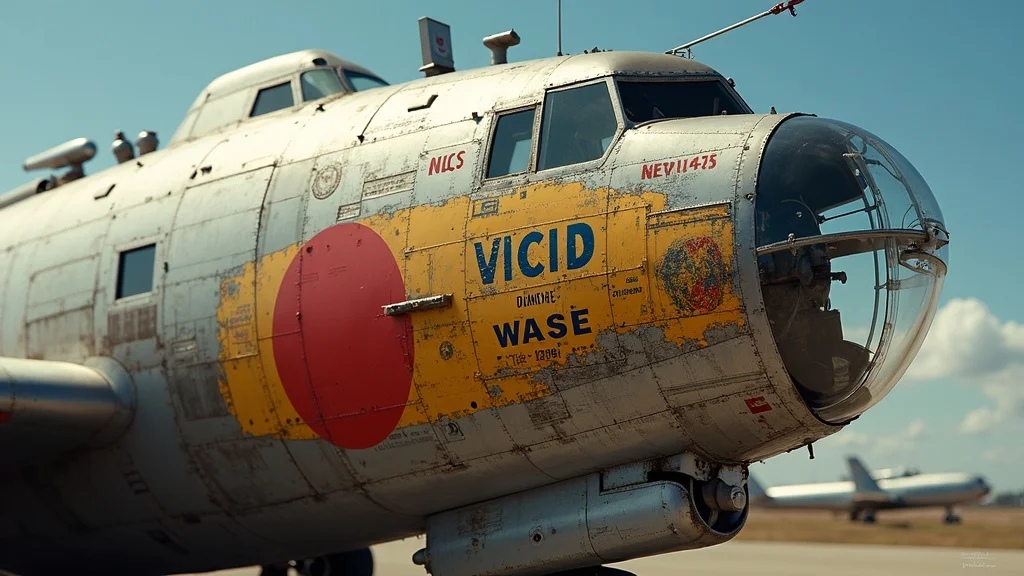
True historical restoration is in the details. Camouflage accuracy for military aircraft preservation means going beyond broad paint patches—it’s about faithfully incorporating every national insignia, warning label, maintenance stencil, and even the playful nose art that gave crews their sense of identity. Warning labels and rescue markings—often disregarded—are vital safety and operational cues. Walkway striping, stenciled instructions, tail flashes, and squadron emblems all combined to create the complete visual language of military aircraft. Neglecting these details can undermine an otherwise immaculate restoration by breaking the illusion of authenticity. Restoration organizations, military historians, and collectors recognize that every element, from the placement of a walkway line to the font style on a serial number, serves as a thread in the aircraft’s historical narrative.
-
National insignia, warning labels, and rescue markings
-
Stenciling, walkway markings, and nose art
-
Squadron emblems, tail flashes, and maintenance markings
Common Restoration Mistakes in Military Aircraft Camouflage Accuracy
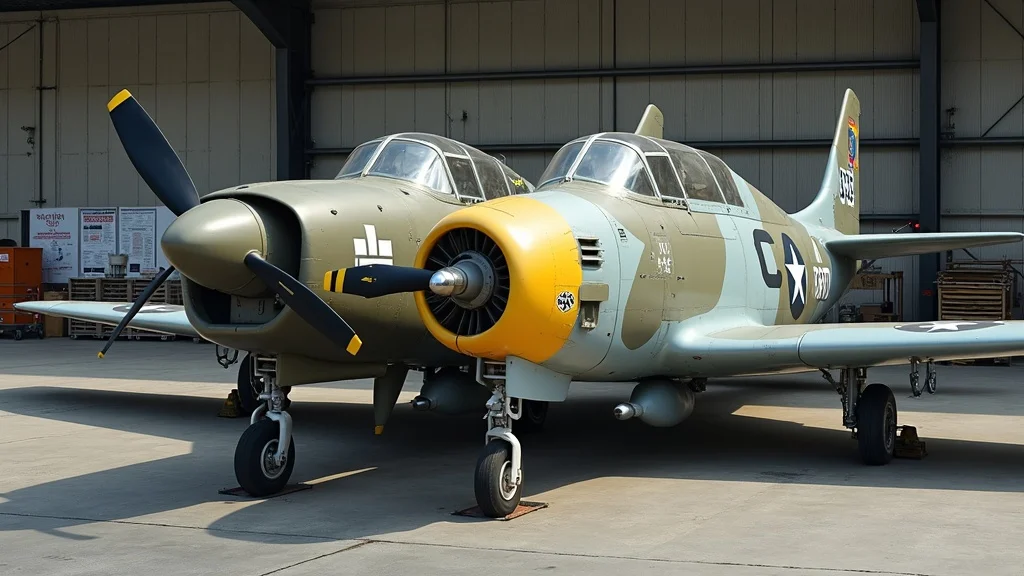
Even well-intentioned restorations can fall short when attention to detail lapses. One frequent error is applying an incorrect shade or color for a camouflage pattern—sometimes due to mismatched paint chips, other times from using modern equivalents that reflect differently than the originals. Mixing era-specific markings or combining squadron insignia from different periods creates anachronistic presentations that disrupt historical accuracy. Applying fonts or stencil styles not true to the era, placing insignia or serial numbers in the wrong locations, or over-restoring until every sign of wear is erased all risk divorcing the aircraft from its authentic history. Each mistake, no matter how minor, can lessen an exhibit’s impact or misinform viewers. The best restorations blend disciplined research with practiced craftsmanship, producing military camo that is both technically faithful and visually compelling.
-
Incorrect shade/color for camo pattern
-
Mixing markings from different eras or squadrons
-
Applying military camo fonts not true to era
-
Inaccurate weathering or over-restoration
-
Placement errors for insignia and markings
Balancing Preservation and Presentation in Military Aircraft Restoration
Striking the balance between preserving historical integrity and creating an engaging exhibit is a central challenge in military aircraft restoration. Museums and collectors must decide if their aircraft should appear as factory-fresh, as if just rolled out for a delivery to the air force, or as combat-worn—displaying the weathered grit earned after months in a war zone. Some opt for a memorial appearance, capturing the solemn tribute to crews lost, while others pursue flyable restorations for airshow circuits. Each approach requires unique decisions on color, markings, and the extent of weathering or “showroom polish. Historical accuracy in military camo remains the foundation, but presentation philosophy—from static museum piece to operational memorial—shapes which nuances take precedence.
Restoration Goals: Factory Fresh vs. Combat Worn
Should a WWII fighter gleam as it did after final inspection, or should it bear the hallmarks of campaign service, with faded upper surfaces and patched paintwork? Museums and owners must decide whether to restore for a static display, active flying condition, or as a memorial artifact. Each outcome, factory-fresh or combat-worn, makes unique demands on research, finishing, and storytelling. For static museum displays, historically accurate weathering enhances believability and emotion. For airworthy restorations, practical considerations like paint weight, safety markings, and compliance might take precedence but can still respect original paint schemes. The best restorations balance these goals to keep the aircraft’s story at the forefront.
-
Choosing between static exhibit, flying condition, or memorial concepts for military aircraft
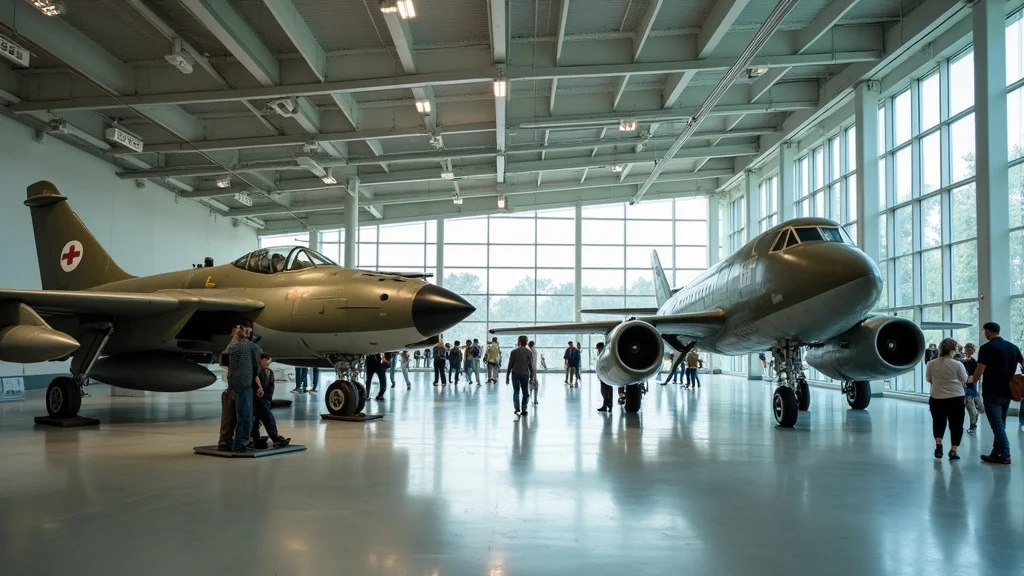
Philosophies for Accurate but Engaging Exhibits
At the heart of every restoration is a philosophy—tell the story with precision, but also with heart. Some museums believe in displaying every aircraft as it would have appeared on its most historic day, while others embrace the cumulative character that comes with field modifications and battle scars. Regardless of approach, camouflage accuracy for military aircraft preservation is always paramount: every marking, stencil, and patch of color builds public trust and historical credibility. Engaging exhibits capture public imagination, spark conversations, and foster respect for the sacrifices and technical innovation behind each preserved plane.
Why Historical Accuracy in Camouflage Matters
Honoring the legacy of air force and military crews demands faithful attention to detail. Historical accuracy transforms aircraft from simple display objects into powerful educational resources that deepen appreciation for aviation history. Every correctly placed squadron emblem, authentic paint chip, or weathered mission marking extends museum credibility and ensures visitor experiences rooted in truth. Meticulously restored military aircraft serve as lasting tributes to innovation, courage, and dedication—preserving these legacies for future generations and inspiring historians, enthusiasts, and the public alike.
-
Honoring the legacy of air force and military crews
-
Protecting the educational value and museum credibility
-
Ensuring preservation of military history for future generations
Table: Notable Military Aircraft Camouflage Schemes and Their Historical Contexts
|
Aircraft Model |
Camouflage Scheme |
Era/Conflict |
Key Visual Features |
Notable Squadrons |
|---|---|---|---|---|
|
P-51 Mustang |
Olive Drab & Neutral Gray |
World War II |
Olive drab upper surface, gray lower; D-Day stripes |
352nd Fighter Group |
|
B-17 Flying Fortress |
Mottled Green/Brown |
World War II |
Blended upper colors, natural metal finish late-war |
303rd Bombardment Group |
|
F-4 Phantom II |
Southeast Asia Camouflage |
Vietnam War |
Dark green, tan, and black pattern |
8th Tactical Fighter Wing |
|
F-16 Fighting Falcon |
Low-Visibility Gray |
Modern/Post-Cold War |
Gray-on-gray variations, minimal markings |
Various USAF Units |
|
Sukhoi Su-25 |
Desert Tan & Green |
Middle East Conflicts |
Two-tone sand/green, upper and lower contrasts |
Russian Air Force units |
Visual Showcase: Video on Authentic Military Aircraft Camouflage Applications
Embedded video demonstrating hands-on techniques and historical analysis for achieving accurate camouflage schemes on restored aircraft.
People Also Ask
How effective is military camouflage in preserving aircraft authenticity?
Military camouflage, when recreated with accuracy, is essential for maintaining the visual and historical integrity of preserved aircraft, ensuring restorations are both authentic and educational. Aircraft camo not only retains historical context, but also enhances learning and engagement for museum visitors and aviation enthusiasts alike.
What are the 7 S’s of camouflage when restoring military aircraft?
The 7 S’s—Shape, Shine, Shadow, Silhouette, Surface, Spacing, and Surroundings—guide restoration experts in replicating effective visual camo for military aircraft, maintaining both accuracy and functionality. Each factor influences how an aircraft blends with its operational environment, form, and lighting, ensuring authentic and historically accurate camouflage restoration.
Why don’t militaries use Realtree camo for aircraft camouflage schemes?
Realtree camo is tailored for hunting and natural landscapes; military aircraft require schemes designed for their specific operational environments and eras, using patterns from World War or Cold War periods. Authentic aircraft camouflage considers mission profiles, theaters of deployment, and technological constraints.
Why don’t militaries use black camo as standard military camouflage?
Black camo is rarely effective in real-world environments. Authentic military aircraft camouflage prioritizes blending with specific operational backgrounds, making variations of gray, green, and tan far more suitable. Black paint often stands out except at night and provides little concealment during daylight operations.
Frequently Asked Questions on Camouflage Accuracy for Military Aircraft Preservation
-
How can museums verify the correct camouflage for a specific era or unit?
-
What documentation is most important for accurate restoration?
-
How are modern paints matched to vintage camouflage schemes?
-
What mistakes should restorers avoid when replicating military camo?
Key Takeaways
-
Camouflage accuracy is fundamental to preserving military aircraft authenticity.
-
Diligent research and craftsmanship ensure restorations honor both technical and historical details.
-
Museums and collectors have a responsibility to maintain historical fidelity in military camo restoration.
Preserving History with Camouflage Accuracy for Military Aircraft
Accurate camouflage and markings are vital to transforming a restoration from repainting to truly honoring aviation heritage. Every detail—from the right paint chip to the correct squadron emblem—contributes to a legacy, ensuring preserved military aircraft continue to educate and inspire.
Ready to Begin Your Aircraft’s Authentic Restoration Journey?
Contact us at (610) 965-2262 to learn how our restoration expertise preserves your aviation history with unmatched camouflage accuracy.
If you’re inspired to take your understanding of military aircraft preservation even further, consider browsing our gallery of completed military aircraft painting projects. Here, you’ll discover a diverse range of authentic restorations, each telling its own story through historically accurate camouflage and markings. Exploring these visual case studies can spark new ideas for your own restoration journey and deepen your appreciation for the artistry and precision involved. Whether you’re a museum curator, collector, or aviation enthusiast, these examples offer a wealth of inspiration and practical insight for achieving the highest standards in military aircraft preservation.